Building a Digital Paper Trail: Smarter Documentation for Modern Fleets
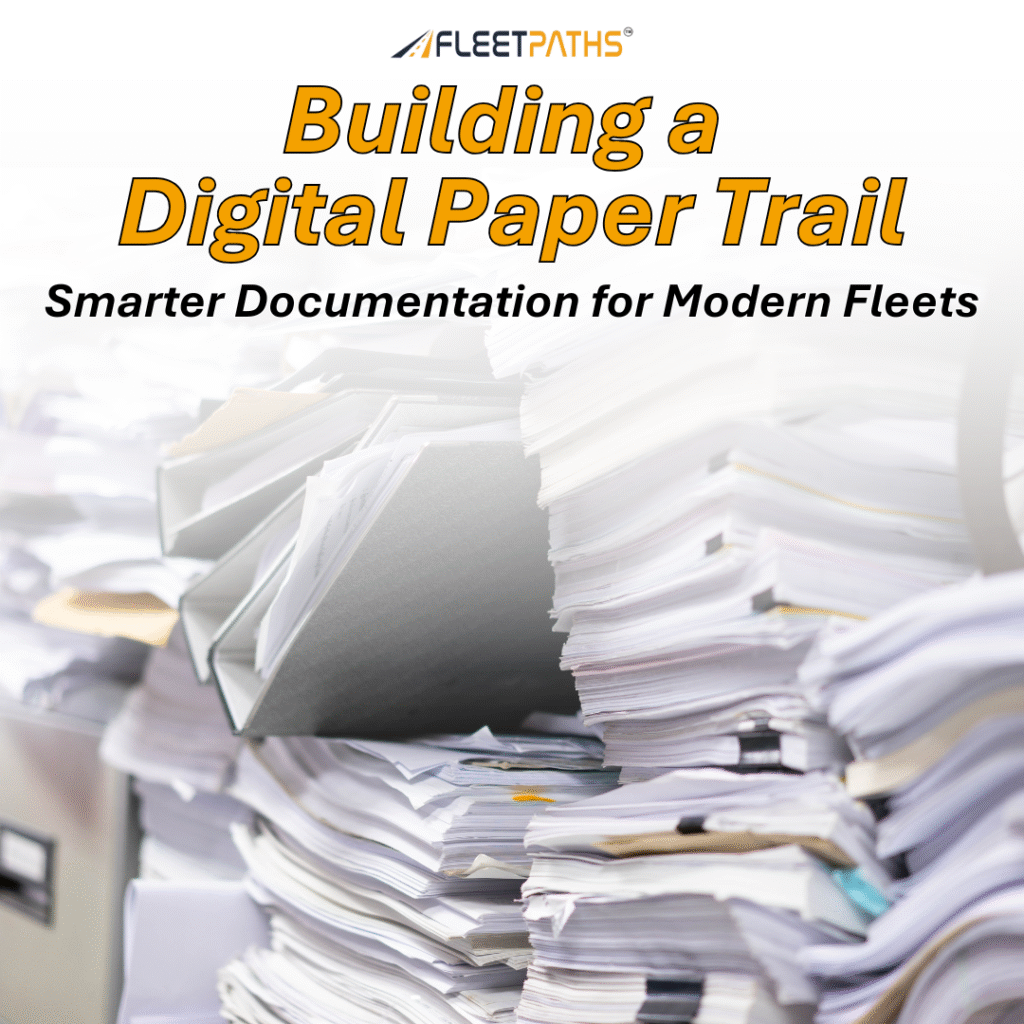
Public agencies operate under constant pressure to document work accurately, meet regulatory requirements, and maintain clear records for audits, inspections, and public inquiries. For many departments, field documentation has traditionally been handled through handwritten forms, verbal updates, and scattered spreadsheets. These methods create gaps in accountability and leave agencies vulnerable to errors, missing information, and compliance risks. Digital field documentation changes all of that. A digital paper trail creates clear, time stamped, and easily retrievable records that strengthen internal processes while improving community trust. FleetPaths supports this transformation by offering digital forms, real time job status tracking, route verification, transparent reporting, and fully centralized operational data. Together these tools replace uncertainty with clarity and establish a new standard for operational compliance. Why Traditional Documentation Falls Short Paper based documentation introduces many challenges for public agencies. Forms may be incomplete, lost, or difficult to interpret. Crews operate in fast moving environments where handwritten notes are often rushed and inconsistent. Supervisors may receive updates hours after the work is completed, making it difficult to verify what actually happened in the field. This creates problems for departments responsible for critical services such as snow removal, waste collection, road maintenance, public transit, or seasonal operations. Without reliable documentation, agencies struggle to defend service decisions, respond to resident concerns, or provide proof during audits and reviews. In many cases, staff must spend time piecing together fragments of information, which increases workload and reduces confidence in reported data. FleetPaths directly addresses these challenges by creating automatic, real time documentation that flows seamlessly from the field to the office. How Digital Field Documentation Strengthens Compliance Digital field documentation turns every action in the field into a verifiable record. With FleetPaths, agencies can record inspections, service completion, crew movement, material usage, and more using digital forms and automated job tracking tools. This creates a consistent and reliable data trail that can be reviewed anytime without sorting through piles of paper. A digital paper trail improves compliance in several ways: By collecting data at the source, agencies remove uncertainty and make sure important information is captured the moment work is performed. Real Time Insights for Supervisors and Administrators Compliance is not only about recordkeeping. It is also about visibility. FleetPaths provides supervisors with real time insights into job progress, vehicle locations, crew activity, and route completion. Instead of relying on radio calls or delayed check ins, supervisors can see exactly what is happening across their fleet at any moment. This visibility supports compliance by ensuring: When agencies are asked to validate a service claim, they no longer need to assemble scattered notes. The data is already captured, organized, and ready to share. Enhanced Accountability Through Digital Forms Digital forms give field workers an easy way to submit accurate information without slowing down their jobs. Inspections, service confirmations, equipment checks, and field assessments can be completed quickly on any device. Because the forms are digital, they eliminate common issues found in handwritten reports. FleetPaths digital forms benefit agencies by: These forms play a key role in building a reliable digital record that supports compliance and improves operational efficiency. Supporting Transparency With Public Facing Documentation Public agencies are often required to share information with residents. Whether it is proving when a street was plowed, when a bus last arrived at a stop, or when sweeping occurred, clear documentation is essential. FleetPaths provides the tools to share certain data directly with the public through interactive maps and service information portals. This reduces complaints, builds trust, and ensures that agencies have the records needed to respond to questions quickly. When residents can see recent activity in their neighborhood, they gain confidence in their local public works departments and rely less on phone calls and assumptions. Long Term Benefits of a Digital Paper Trail A complete digital paper trail does more than support day to day operations. It strengthens the entire agency over time. Leadership gains data to inform planning and budgeting. Field teams benefit from clearer expectations and reduced paperwork. Residents receive more accurate information. And the agency can demonstrate compliance easily during reviews or audits. The long term benefits include: Digital documentation becomes a foundation for better decisions, better accountability, and better service delivery. Public agencies operate best when documentation is clear, accurate, and immediate. Digital field documentation transforms compliance by creating a trustworthy and accessible record of all activity performed in the field. FleetPaths provides the tools needed to replace outdated paper processes with streamlined digital workflows that improve efficiency, accountability, and public trust. If you would like, I can also condense this article, expand it into a longer guide, or format it for newsletter or social media distribution.
Building a Digital Paper Trail: Smarter Documentation for Modern Fleets Read More »