Public Transit

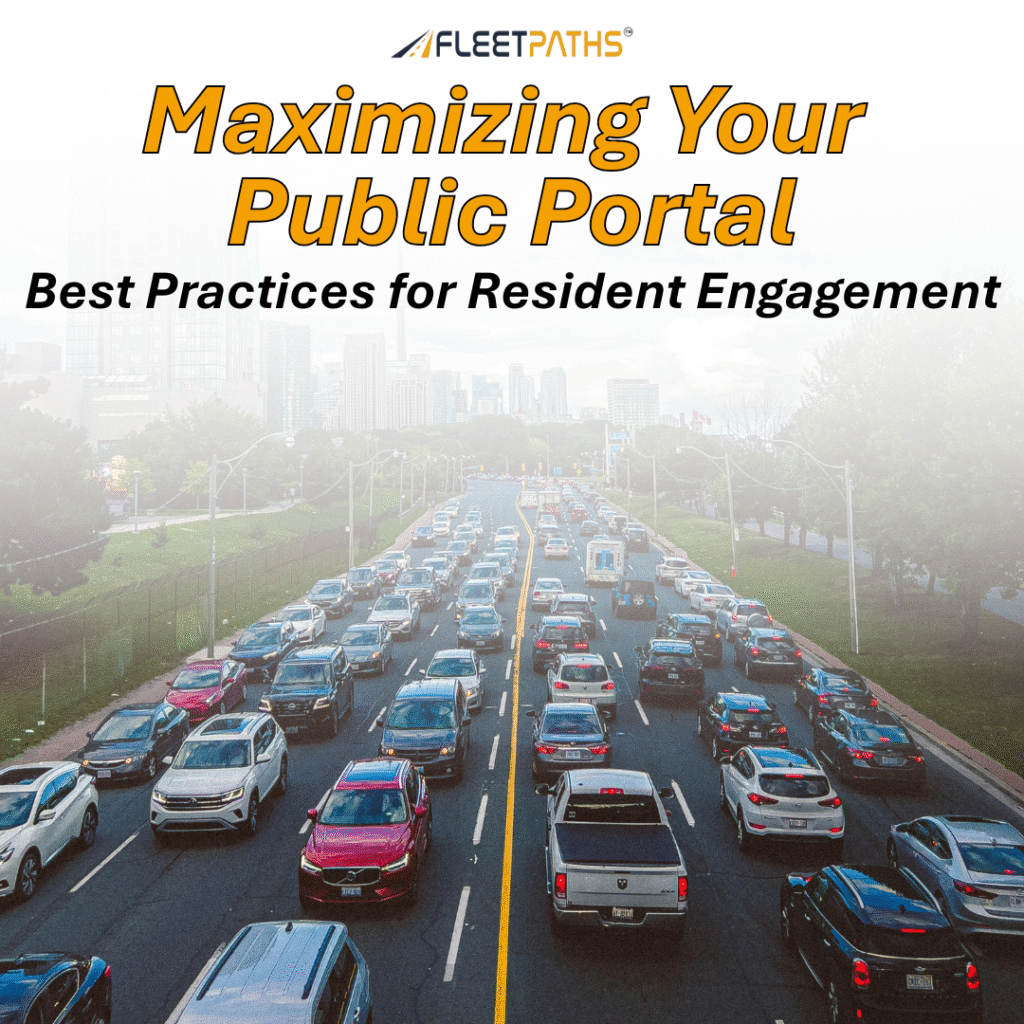
Maximizing Your Public Portal: Best Practices for Resident Engagement

In today’s world residents expect fast, accurate information at their fingertips. Whether they are waiting for a bus or trying to plan around city services, the easier it is for them to find what they need, the happier they are. That’s where a public portal becomes a powerful tool. A well built public portal does more than share data. It gives your community confidence in your operations and puts information where people already live — online and on their phones. With the right approach you can make your portal a go to resource that keeps residents engaged, reduces questions, and makes your team more efficient. Here are some best practices that will help you get the most out of your public portal. Make It Easy to Access Your portal should be simple to reach from any device. People are checking information on phones, tablets, laptops and even public screens around town. A portal that works smoothly on all these devices means no one is left frustrated trying to find answers. Always include a clear link on your city or service website and promote it in emails and social media posts. The easier it is to find the portal, the more residents will use it. The public portals from FleetPaths are web based and optimized for all devices, making it easy for riders and residents to get to the information they need anytime. Provide Clear, Actionable Information The key to engagement is information that helps people make decisions. If your portal shows real time data like vehicle locations, estimated arrival times or last serviced status, residents can plan their day with confidence. For example, the Transit Portal available through FleetPaths lets riders see live vehicle info and stop arrival times, helping them avoid uncertainty and forgotten connections. Make sure instructions are easy to understand and prominently displayed. A little guidance goes a long way for new users and reduces confusion. Customize Messages to Your Community Every community is different, and the messaging you share should feel like it belongs to your residents. Use custom messages and alerts in the portal to highlight things like service changes, special events, detours or weather related delays. Branding the portal with your colors and logo isn’t just about aesthetics. It reinforces familiarity and trust. When residents see your official branding they know they are getting accurate information from a reliable source. Keep It Updated and Trustworthy Out of date information is worse than no information at all. Keeping the portal updated in real time or near real time is the backbone of a great resident experience. If someone checks service status and sees old data they are more likely to make another call or send a question to your office. When your portal is accurate and fresh, residents begin to rely on it first. That trust matters. It means fewer calls about where a bus is or if a service has been completed, giving your team more time to focus on actual operations. Explain the Why Behind the Portal Not everyone knows what a public portal is or why it exists. Take a moment on your website or in your communication to explain how the portal helps residents and staff alike. Tell them it is there to reduce uncertainty, provide transparency, and give them the power to check status any time. The more people understand the purpose and benefits, the more they will adopt it as a daily resource. Promote Engagement Through Multiple Channels Your portal is only useful if people know about it. Don’t limit promotion to just your city website. Share posts about it on social channels, include links in newsletters, add it to emails about service changes, and even mention it in press releases. Encourage residents to bookmark the portal and share it with friends. The more people use it, the more it becomes the standard way to find service information. Measure What Matters and Improve Over Time Finally, treat your portal as a living tool. Look at usage stats and feedback. Are people clicking through often? Do they still call with questions you could answer in the portal? Use that insight to refine what you show and how you show it. A portal is more than a map or timetable. It’s a chance to build trust and show your community you are committed to openness and service. Public portals are not just a nice add on anymore — they are a core part of modern community engagement. When done right they create a better experience for residents and staff alike. If you want a solution that delivers real time information with an intuitive interface, tools like the FleetPaths public portals and Transit Portal make it simple to connect your operations to the people who depend on them every day.

Maximizing Your Public Portal: Best Practices for Resident Engagement Read More »

How DPWs Can Reduce Call Volume by 50%: Self‑Service Portals

When residents want to know “When will my street be plowed” or “Has my road been swept” or “Where is my bus” they reach for the phone. For public works departments and municipal fleets, those calls quickly turn into hundreds or sometimes thousands of inquiries during peak seasons. But here is the good news. Modern fleet visibility tools can eliminate most of those calls entirely. FleetPaths public facing portals give residents instant, real time answers without tying up staff time. By empowering citizens with on demand self service information, municipalities can dramatically reduce call volume while improving public trust and transparency. And the results are not hypothetical. Your own product features show exactly how. Why Citizens Call in the First Place Municipal operations are constantly changing. Snow removal, leaf collection, waste pickup, transit services, and road maintenance all shift throughout the day based on weather, staffing, equipment status, and route conditions. Without visibility, residents feel out of the loop and naturally reach out for answers. FleetPaths solves this by providing These features reduce uncertainty, and when uncertainty drops, call volume drops as well. How Self Service Portals Reduce Call Volume by 50 Percent or More Departments using real time public portals consistently report dramatic reductions in inbound service calls. While each community is different, the underlying reason is always the same. Information replaces frustration. Here is how FleetPaths achieves that. 1. Real Time Maps Answer Questions Instantly FleetPaths public portals offer an intuitive interactive map that displays exactly where service vehicles are and what work has been completed. A resident refreshing the map can see: This prevents the most common calls: 2. Public Portals Remove the Need for Manual Status Updates Before implementing self service portals, many cities rely on These methods are time consuming and often out of date during high demand periods. FleetPaths automates all of this by displaying real time data directly from active fleet units to the public. 4. Fewer Calls Mean More Time for Critical Work Reduced call volume directly improves internal efficiency. Staff gain hours previously spent answering phones and can instead focus on Drivers also avoid interruptions caused by call relays from dispatch. Key Features That Make FleetPaths Portals Effective FleetPaths portals stand out because of their intuitive and easy to understand interface, which allows residents to immediately see what is happening in their area without needing any technical knowledge. The platform includes modular alerts and customizable pins that help cities highlight hazards, construction zones, events, or other important conditions. The priority view gives residents a clear understanding of why certain areas receive service sooner than others, which helps reduce frustration and improves fairness perceptions. The system also shows last serviced timestamps down to the hour, giving residents clarity about exactly when work was done and reducing guesswork and speculation. Real World Use Cases During snowstorms, residents can view plow locations, completed streets, and service priorities in real time, reducing the flood of winter weather inquiries. Seasonal leaf pickup becomes easier for citizens to track because they can clearly see where crews are working and when their street will be reached. Street sweeping becomes more transparent with visible service data and timestamps that prevent repeated complaints. Transit riders benefit from accurate live bus information, which significantly cuts down on daily “Where is my bus” calls and improves overall rider experience. The Bottom Line Self service portals benefit everyone. Municipal crews stay focused on operations.Administrative staff gain back valuable time.Residents receive accurate information instantly.Cities demonstrate transparency and modernize their services. FleetPaths portals make this process simple, customizable, and seamlessly integrated into existing fleet operations, helping many departments cut call volume in half or more. If your team is overwhelmed by constant phone inquiries, it is time to give your community the visibility it needs. FleetPaths Public Portals make transparency effortless while boosting operational efficiency.

How DPWs Can Reduce Call Volume by 50%: Self‑Service Portals Read More »

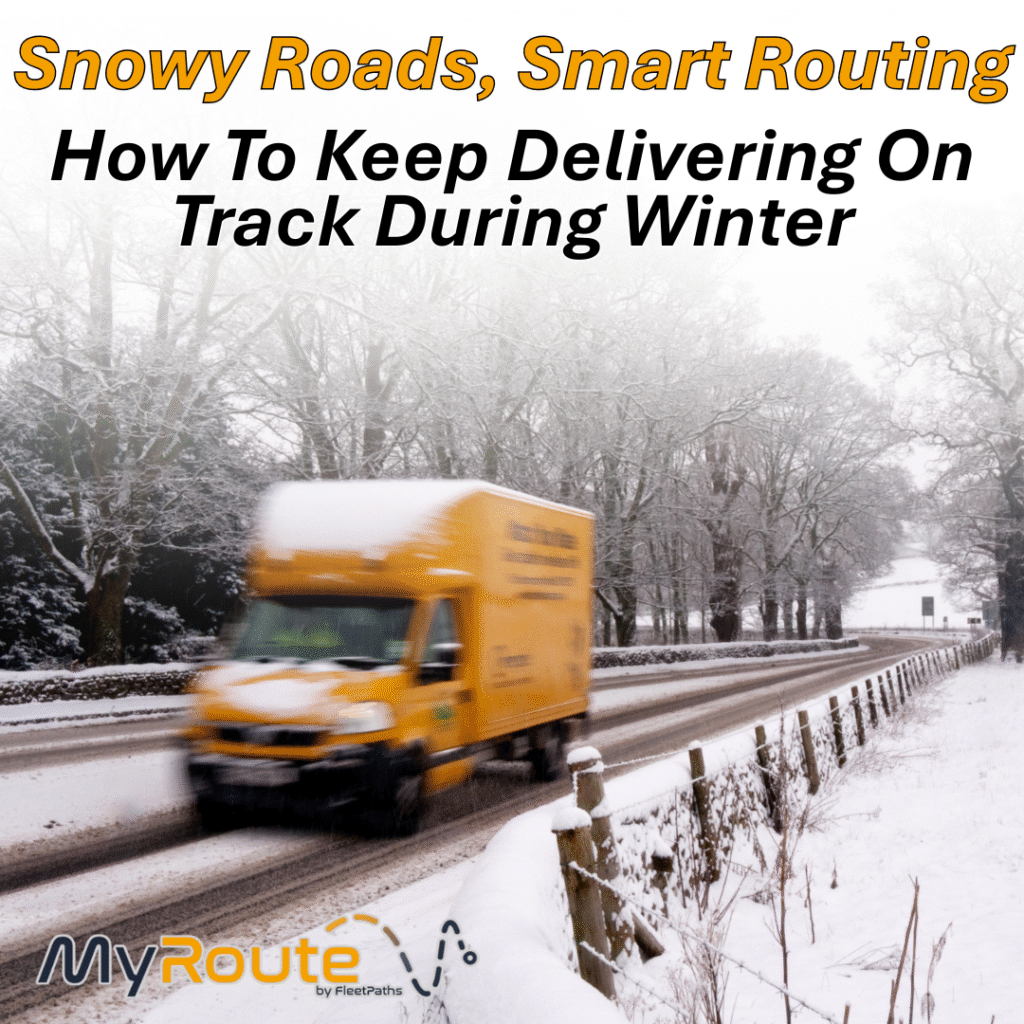
Snowy Roads, Smart Routing: How To Keep Delivering On Track During Winter

When winter sets in, logistics teams don’t just battle cold, they battle unpredictability. A clear morning can turn into whiteout conditions by mid‑afternoon. Plowed roads refreeze. Mountain passes close with little warning. Warehouses operate on skeleton crews during storms. These realities strain even well‑planned operations, reducing on‑time performance and eroding customer confidence. Data from early 2025’s winter events, for instance, showed double‑digit drops in last‑mile on‑time rates in several U.S. regions, with Kentucky’s on‑time delivery performance falling by more than 30% during a single storm—evidence of how quickly conditions can upend service levels. [project44.com] The good news: modern dispatching, scheduling, and transportation software provides a practical, non-hype playbook for staying agile. Think of it as your real‑time nervous system: connecting drivers, dispatchers, and customers with shared situational awareness and automated communication. Below, we’ll break down how these platforms help fleets keep deliveries and transport on track in the depths of winter, without turning this into a sales pitch. Why Winter Disruptions Demand Dynamic Operations Severe weather impacts every layer of the logistics stack. Snow and ice slow vehicles, close corridors, and limit visibility; freezing temperatures trigger equipment failures (from gelled diesel to battery issues), and staffing fluctuates as crews prioritize safety. Industry analyses consistently find that winter storms temporarily push up costs and degrade on‑time performance across both spot and contract truckload markets; effects that can be observed even in resilient networks. Academic and industry reviews echo the same theme: extreme weather (including snowfall and freezing rain) reduces transport efficiency and increases operational costs, underscoring the need for data‑driven mitigation strategies and real‑time agility. In practice, that means replacing static schedules and spreadsheets with software that adapts with the storm: rerouting, re‑sequencing, and communicating changes as conditions evolve. Core Capabilities That Matter Most in Winter 1) Live Fleet Visibility & Condition‑Aware Routing You can’t manage what you can’t see. A dispatch platform with live location and driver status gives dispatchers immediate clarity on who’s moving, who’s delayed, and which assets are at risk so they can reroute around closures, reassign stops, or dispatch replacements without waiting for manual check‑ins. Real‑time visibility paired with dynamic routing shrinks the gap between “storm hits” and “plan adjusts,” helping mitigate cascading delays documented in recent winter events. [project44.com] Software built for dispatching typically includes stop‑by‑stop updates and route progress monitoring to support these decisions. That visibility makes it easier to prioritize high‑need destinations and reduce backtracking; an approach widely recommended in winter operations guidance and route optimization literature. 2) ETA Accuracy, Email & SMS Messaging When conditions deteriorate, expectations (not just routes) must be updated. Software that pushes automated ETA updates via email and SMS keeps riders and delivery recipients informed, reducing uncertainty and inbound “Where’s my delivery?” calls. Notification tools that surface vehicle location, estimated arrival times, and service alerts are proven to cut call volumes and improve confidence, especially valuable on snow days when dispatch lines are overwhelmed. Communicating proactively matters because storms can drop on‑time performance quickly and for days. Sending ETA changes and delay notices through synchronous channels (SMS) and asynchronous channels (email) helps set expectations and maintain trust even when conditions are outside your control. 3) Centralized Scheduling & Drag‑and‑Drop Replanning Winter forces frequent schedule edits: late starts, consolidated routes, added buffers, or switched drivers when equipment needs maintenance. A centralized scheduling interface that supports drag‑and‑drop adjustments accelerates decision‑making, lowers the risk of clerical errors, and ensures everyone is working off the same plan. This is especially helpful when storms cause temporary rate spikes and tightening capacity; shippers benefit from faster internal replans to avoid cascading service failures. 4) Digital Proof‑of‑Delivery & Service Verification In winter, documentation is your ally. Electronic stop confirmations with timestamps validate completion despite detours or modified routes, streamline billing, and provide a defensible record if customers or agencies need verification. Eliminating paper reduces friction in storm conditions (wet documents, delayed handoffs) and supports accountability emphasized in weather disruption research. 5) Public Transparency Tools for Rider & Resident Engagement Municipal and shuttle operations see strong benefits from public portals that display status, priority levels, and recent service times (e.g., “last plowed within X hours”). These portals lower call volume, show progress during ongoing events, and give constituents actionable clarity when crews stage operations across large networks. For transportation services, rider‑facing portals with live bus locations and accurate ETAs directly reduce missed connections and complaints; critical during winter when delays are more likely. Practical Winter Playbook: Process + Platform A. Plan for Scenarios, Not Perfection Use your software to create “storm mode” playbooks: revised route templates for varying severity, regional detours, and prioritized customers (healthcare, food distribution, critical manufacturing). Industry examples show that condition‑aware routing and priority sequencing reduce wasted miles and idle time while improving service coverage during snow events. B. Build Communication Cadence Automate pre‑trip notifications, ETA updates, and delay advisories via email & SMS. Then pin a public portal link into those messages so recipients can self‑serve for live status. Doing so not only aligns expectations but reduces inbound support calls documented across rider‑transport use cases. C. Add Buffers Where It Matters After analyzing winter performance (spot and contract), many shippers add time buffers to sequences most exposed to weather risk. Market updates repeatedly show temporary performance degradations and cost impacts in January storms; buffers smooth recovery and prevent schedule collapse. D. Instrument Your Proof & Reporting Turn on digital proof‑of‑delivery and service logs. In the aftermath of storms, stakeholders want clarity: What was completed? What was delayed? Who got notified and when? Digital records fulfill audit needs and help teams learn from each event. E. Review & Iterate Using Post‑Storm Data Winter resilience is iterative. Pair your route history with market insights and scholarly guidance on weather disruptions to refine thresholds for re‑routing, driver reassignment, and message timing. Structured reviews, supported by your platform’s trip data, help you adapt to increasingly frequent extreme weather. The Human Impact: Less Chaos, More Clarity Software doesn’t drive the truck or plow the street, but

Snowy Roads, Smart Routing: How To Keep Delivering On Track During Winter Read More »

Snow-Proof Your Transit: How to Give Your Riders Cold-Weather Confidence

Winter months can be some of the toughest for transportation fleets. Snow, ice, and freezing temperatures create unpredictable conditions that disrupt schedules, increase safety risks, and strain communication between riders and operators. For transit agencies, maintaining reliability during these challenges isn’t just about keeping vehicles on the road, it’s about keeping riders informed and confident. That’s why having a robust transit management software is essential. Solutions like FleetPaths Transit help fleets navigate winter weather with real-time updates, proactive alerts, and data-driven insights, ensuring smooth operations even when conditions are anything but. Keeping Riders Informed When winter weather hits, riders need accurate, timely information to make safe travel decisions. A good transit software provides real-time bus and shuttle locations, estimated arrival times, and weather-related alerts directly to riders’ devices. This transparency ensures passengers can plan their trips with confidence, even when snow and ice threaten to disrupt schedules. By keeping riders informed, agencies reduce frustration and build trust during the most challenging months of the year. Streamlining Communication Snowstorms and icy roads often lead to route changes, delays, or temporary service suspensions, which can overwhelm dispatch teams with inquiries. Transit software solves this problem by enabling custom alerts that notify riders of changes instantly. Instead of fielding countless phone calls, your team can focus on maintaining safe operations while riders receive accurate updates through a public-facing portal. This streamlined communication not only improves efficiency but also enhances the rider experience by reducing uncertainty and confusion. FleetPaths Transit offers these features and more to help agencies stay ahead of winter disruptions. Building Confidence When conditions are harsh, clear communication becomes a lifeline. Transit software provides interactive maps and consistent updates that reassure riders their transit system is reliable, even in adverse weather. This transparency fosters confidence and loyalty, positioning your fleet as a dependable partner in the community. By proactively sharing information, agencies demonstrate a commitment to safety and service, which strengthens their reputation and encourages continued ridership throughout the winter season. Enhancing Safety and Performance Winter delays are inevitable, but they don’t have to derail your entire operation. Transit software equips your team with real-time tracking tools that allow for strategic adjustments to keep schedules as tight as possible. Riders benefit from timely notifications that help them avoid missed connections, while staff gains visibility into problem areas and can respond quickly. Beyond efficiency, these systems promote safer travel by giving riders the information they need to make informed decisions about when and where to travel during hazardous conditions. Planning for the Future Every alert, delay, and rider interaction during the winter months generates valuable data. Transit software captures these insights, enabling agencies to analyze performance and identify patterns that inform future planning. By understanding which routes are most vulnerable and how riders respond to disruptions, you can refine strategies and allocate resources more effectively. This data-driven approach ensures continuous improvement and positions your fleet to handle winter challenges with confidence year after year. Stay ahead of winter challenges with FleetPaths Transit. From real-time updates to proactive communication and data-backed planning, this platform keeps your fleet efficient, your riders informed, and your operations resilient. Ready to see how FleetPaths Transit can transform your winter operations? Request a demo today and experience the difference.

Snow-Proof Your Transit: How to Give Your Riders Cold-Weather Confidence Read More »

Lower Emissions, Higher Efficiency: Building a Sustainable Fleet

Transportation and DPW/Contractor Fleets is one of the largest contributors to greenhouse gas emissions, accounting for nearly 29% of U.S. emissions (EPA). For fleet managers, sustainability is not just a buzzword; it is a necessity. Reducing carbon footprints can lower costs, improve public perception, and prepare organizations for stricter environmental regulations. Why Sustainability Matters Cost Efficiency: Fuel savings and optimized routes reduce operational expenses.Compliance: Cities and states are introducing low emission zones and carbon reporting requirements.Community Impact: Cleaner fleets mean healthier communities and stronger reputations. Proven Strategies for Greener Fleet Operations How Technology Accelerates Sustainability Modern fleet management platforms make these strategies actionable. For example: By leveraging platforms like FleetPaths alongside industry best practices, fleets can move from reactive measures to proactive sustainability. The Bigger Picture Sustainability is not just about compliance; it is about resilience. With the right mix of technology, training, and planning, fleets can reduce their carbon footprint while improving efficiency and cutting costs. The shift toward greener operations also positions organizations as leaders in innovation and environmental stewardship. By investing in sustainable practices today, fleets can secure long term savings and strengthen their role in building cleaner, safer communities. Ready to make your fleet greener? Start by analyzing your routes, monitoring driver behavior, and exploring tools that turn sustainability goals into measurable results. FleetPaths can help you take the first step toward a more sustainable future with advanced route optimization and data driven insights.

Lower Emissions, Higher Efficiency: Building a Sustainable Fleet Read More »

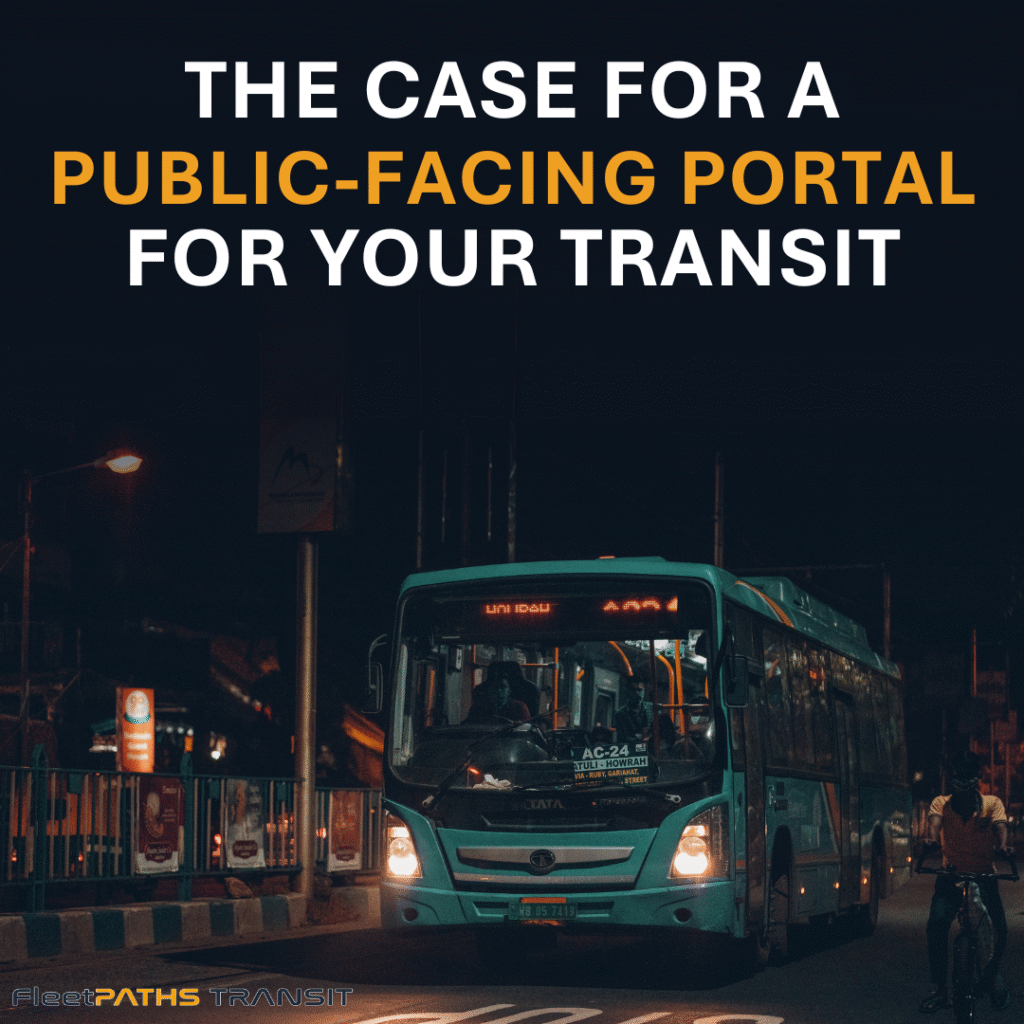
The Case for a Public Transit Portal: Branded, Accessible, Real-Time

Riders expect real-time information and simple access to vehicle locations and arrival times; a public portal delivers that transparency and reduces uncertainty for passengers and operators alike. Transit portals create a single source of truth where passengers can check arrival times, view vehicle locations, and receive service alerts without calling dispatch or waiting at stops. Benefits for Different Transit Types Public portals serve a wide range of transit operations (city shuttles, hospital and medical transport, hotel shuttles, senior living services, campus shuttles, tour companies, taxis, and bus lines) by improving rider experience and operational clarity. For demand-response and paratransit services they reduce no-shows and late pickups by giving caretakers and riders real-time confirmations; for fixed-route services they cut calls and complaints by publishing accurate arrival information; and for special-event or tourism operators they increase satisfaction by keeping groups informed and on schedule. Rider-Facing Features that Change the Game A modern portal should be web-based and optimized for phones, tablets, and desktops, show interactive vehicle and route information, deliver customizable alerts and messages, and be brandable so the experience feels official and trustworthy. Clear “how to use” instructions on the welcome screen lower the support burden and help first-time users engage quickly. Operational Advantages for Agencies and Vendors Beyond passenger convenience, a public portal reduces pressure on dispatch and customer service by deflecting routine status inquiries, improves on-time performance through better-informed riders, and provides data that helps refine scheduling and routing decisions over time. When the portal ties directly into the fleet’s live telemetry, operators gain a synchronized operational picture that speeds incident response and improves resource allocation. Key Operational Wins Why TRANSIT by FleetPaths Stands Above the Rest TRANSIT is built specifically as a public-facing portal that integrates live vehicle telemetry, interactive route and stop info, and customizable alerts to serve communities and commercial operators alike. Its web-first design ensures accessibility across devices, its branding options let agencies maintain a consistent public presence, and its rider instructions and interactive map make it easy for users to adopt quickly. Get started A public portal is no longer a nice-to-have; it’s a core part of modern transit operations that improves rider experience and reduces workload for staff. TRANSIT by FleetPaths packages those portal capabilities into a ready-to-deploy solution that connects riders to real-time fleet data and gives operators the tools they need to run more reliable services.

The Case for a Public Transit Portal: Branded, Accessible, Real-Time Read More »

Why Fleet Management Software Is No Longer Optional

Why Modern Fleet Management Matters Running a fleet today means juggling tighter schedules, rising fuel prices, stricter compliance, and higher public expectations. Without a unified system you end up reacting to problems instead of preventing them. Advanced fleet management software brings visibility, control, and data-driven decisions to every vehicle and crew so operations run safer, leaner, and more reliably. Real World Ways Fleet Software Helps From municipal public works to private contractors, fleet management platforms solve concrete daily problems. They give dispatchers a live view of vehicles and jobs so they can reassign work when delays happen. They replace paper forms with digital records that are validated, time stamped, and tied to specific trips or drivers. They track slow moving equipment and trailers so nothing goes missing. They optimize routes to cut drive time and fuel use. And during winter operations they monitor plow coverage and material application to reduce waste and keep roads safer. What Makes FleetPaths Stand Out FleetPaths is built to serve the full range of fleet types and the real tasks crews face in the field. It combines core capabilities into one platform so you do not stitch together separate tools. Tangible Benefits Your Team Will Notice Switching to FleetPaths produces faster, measurable wins. You get fewer resident calls about missed service, faster dispute resolution with proof of delivery, lower material and overtime costs through better monitoring, and improved asset longevity thanks to diagnostics and timely maintenance. Managers gain real time operational insight so they can make proactive decisions instead of reacting to problems after the fact. One Platform for Many Fleets Whether you run snow plows transit shuttles field service crews landscaping equipment or delivery vehicles, FleetPaths adapts to your workflows and keeps everything in one place. That unified approach reduces training friction and eliminates the errors and delays caused by re keying or switching between systems. If you want a safer more efficient and more accountable fleet, FleetPaths packages the tools you need into a single, practical solution. Request a demo to see how route planning tracking digital forms and winter operations work together to improve your day to day.

Why Fleet Management Software Is No Longer Optional Read More »

MyRide by FleetPaths: Reinventing Rider-Focused Transportation

In today’s fast-paced world, reliable and transparent transportation is more essential than ever. MyRide by FleetPaths steps in as the all-in-one dispatching solution for scheduled rider services. Whether you’re managing non-emergency medical transportation (NEMT), senior transit, or community rideshare programs, MyRide ensures a seamless experience for both dispatchers and passengers. Let’s take a closer look at how MyRide is transforming rider transportation with precision, comfort, and trust. 🧠 Smarter Dispatching for Every Route MyRide is more than just software—it’s a strategic tool for transportation providers across industries. From school buses to shuttle services, MyRide offers a powerful suite of features that simplify operations and elevate rider satisfaction. Here’s what makes it stand out: Whether you’re coordinating a large fleet or a handful of vehicles, MyRide helps reduce missed pickups, streamline workflows, and keep everyone connected. 📱 Empowering Riders with Real-Time Updates Passenger experience is at the heart of MyRide. By offering real-time updates and notifications, riders stay informed from dispatch to drop-off—no more guessing, no more endless support calls. Riders benefit from: This level of transparency builds trust and confidence, making every ride smoother and more predictable. 🚀 Why MyRide Is the Future of Rider Transportation MyRide doesn’t just meet expectations—it sets a new standard. With unmatched visibility for dispatchers and a sleek portal for riders, FleetPaths has created a solution that’s both powerful and intuitive. Here’s why transportation providers are making the switch: Whether you’re modernizing your fleet or launching a new service, MyRide is your partner in delivering smarter, safer, and more dependable transportation. Ready to elevate your rider experience? With MyRide by FleetPaths, every journey becomes a promise kept. Book a consultation with us today.

MyRide by FleetPaths: Reinventing Rider-Focused Transportation Read More »

Your Journey in Real Time, with TRANSIT

Get ready to elevate your passenger experience with TRANSIT by FleetPaths. This public portal delivers real time updates on shuttles, buses, and cars so your riders never miss a beat. Easy to launch and intuitive to use, TRANSIT brings clarity and confidence to every journey. Who Benefits from TRANSIT TRANSIT adapts to a wide range of fleets across cities nonprofits and commercial operators. Ideal applications include: Key Features for an Exceptional Rider Journey TRANSIT delivers a web based portal that adapts to smartphones, tablets, and laptops so riders can check schedules anywhere. Interactive maps and route displays respond to taps or clicks, revealing vehicle details and arrival times in an instant. Custom messages and alerts keep passengers in the loop on weather advisories or service changes. Clear rider instructions greet newcomers on the welcome screen, making first time use a breeze. With full brand customization you can wrap the portal in your own colors, logo, and visual style for a seamless experience. TRANSIT by FleetPaths transforms your fleet into a transparent reliable service. Offer your passengers the gift of certainty and watch satisfaction soar. Ready to see TRANSIT in action? Request a demo today and prepare to redefine real time transit information for your riders.

Your Journey in Real Time, with TRANSIT Read More »

Introducing FleetPaths: Revolutionize Your Fleet & Field Operations

FleetPaths equips organizations with a groundbreaking way to track fleets, manage field workers, and monitor the progress of every job in real time. Powered by Verizon Connect, our platform delivers secure, advanced technology designed to keep your vehicles and workforce operating at peak efficiency. A Comprehensive, Real-Time Solution With FleetPaths, you get a full suite of fleet and field worker management tools that bring every piece of critical data into one user-friendly dashboard. From live GPS tracking to job status updates, you’ll always know where your assets are and how your team is performing out in the field. Key Features That Keep You One Step Ahead Fully Customizable and User-Friendly Tailor FleetPaths to match your organization’s unique needs. Whether you oversee street sweepers, garbage trucks, snow plows, lawnmowers, buses, taxis, or delivery fleets, our intuitive interface lets you configure vehicles, routes, and worker roles with ease. Supervisors get instant visibility into each job, helping them make faster decisions and support teams out in the field. Ready to Transform Your Operations? Join the ranks of organizations streamlining their fleet oversight and field workforce management with FleetPaths. Request a demo today and discover how our innovative platform can drive efficiency, boost safety, and deliver unparalleled transparency across your entire operation.

Introducing FleetPaths: Revolutionize Your Fleet & Field Operations Read More »