Salt

Building a Digital Paper Trail: Smarter Documentation for Modern Fleets

Public agencies operate under constant pressure to document work accurately, meet regulatory requirements, and maintain clear records for audits, inspections, and public inquiries. For many departments, field documentation has traditionally been handled through handwritten forms, verbal updates, and scattered spreadsheets. These methods create gaps in accountability and leave agencies vulnerable to errors, missing information, and compliance risks. Digital field documentation changes all of that. A digital paper trail creates clear, time stamped, and easily retrievable records that strengthen internal processes while improving community trust. FleetPaths supports this transformation by offering digital forms, real time job status tracking, route verification, transparent reporting, and fully centralized operational data. Together these tools replace uncertainty with clarity and establish a new standard for operational compliance. Why Traditional Documentation Falls Short Paper based documentation introduces many challenges for public agencies. Forms may be incomplete, lost, or difficult to interpret. Crews operate in fast moving environments where handwritten notes are often rushed and inconsistent. Supervisors may receive updates hours after the work is completed, making it difficult to verify what actually happened in the field. This creates problems for departments responsible for critical services such as snow removal, waste collection, road maintenance, public transit, or seasonal operations. Without reliable documentation, agencies struggle to defend service decisions, respond to resident concerns, or provide proof during audits and reviews. In many cases, staff must spend time piecing together fragments of information, which increases workload and reduces confidence in reported data. FleetPaths directly addresses these challenges by creating automatic, real time documentation that flows seamlessly from the field to the office. How Digital Field Documentation Strengthens Compliance Digital field documentation turns every action in the field into a verifiable record. With FleetPaths, agencies can record inspections, service completion, crew movement, material usage, and more using digital forms and automated job tracking tools. This creates a consistent and reliable data trail that can be reviewed anytime without sorting through piles of paper. A digital paper trail improves compliance in several ways: By collecting data at the source, agencies remove uncertainty and make sure important information is captured the moment work is performed. Real Time Insights for Supervisors and Administrators Compliance is not only about recordkeeping. It is also about visibility. FleetPaths provides supervisors with real time insights into job progress, vehicle locations, crew activity, and route completion. Instead of relying on radio calls or delayed check ins, supervisors can see exactly what is happening across their fleet at any moment. This visibility supports compliance by ensuring: When agencies are asked to validate a service claim, they no longer need to assemble scattered notes. The data is already captured, organized, and ready to share. Enhanced Accountability Through Digital Forms Digital forms give field workers an easy way to submit accurate information without slowing down their jobs. Inspections, service confirmations, equipment checks, and field assessments can be completed quickly on any device. Because the forms are digital, they eliminate common issues found in handwritten reports. FleetPaths digital forms benefit agencies by: These forms play a key role in building a reliable digital record that supports compliance and improves operational efficiency. Supporting Transparency With Public Facing Documentation Public agencies are often required to share information with residents. Whether it is proving when a street was plowed, when a bus last arrived at a stop, or when sweeping occurred, clear documentation is essential. FleetPaths provides the tools to share certain data directly with the public through interactive maps and service information portals. This reduces complaints, builds trust, and ensures that agencies have the records needed to respond to questions quickly. When residents can see recent activity in their neighborhood, they gain confidence in their local public works departments and rely less on phone calls and assumptions. Long Term Benefits of a Digital Paper Trail A complete digital paper trail does more than support day to day operations. It strengthens the entire agency over time. Leadership gains data to inform planning and budgeting. Field teams benefit from clearer expectations and reduced paperwork. Residents receive more accurate information. And the agency can demonstrate compliance easily during reviews or audits. The long term benefits include: Digital documentation becomes a foundation for better decisions, better accountability, and better service delivery. Public agencies operate best when documentation is clear, accurate, and immediate. Digital field documentation transforms compliance by creating a trustworthy and accessible record of all activity performed in the field. FleetPaths provides the tools needed to replace outdated paper processes with streamlined digital workflows that improve efficiency, accountability, and public trust. If you would like, I can also condense this article, expand it into a longer guide, or format it for newsletter or social media distribution.

Building a Digital Paper Trail: Smarter Documentation for Modern Fleets Read More »

Telematics in Legacy Fleets: Step-by-Step Change Management

Modern fleet management is built on real time visibility, accurate data, and seamless communication between teams in the field and leadership at the office. Yet many municipalities and service organizations still operate with legacy fleets that rely on outdated processes and limited visibility. Introducing telematics into these fleets can feel like a major undertaking, especially when older vehicles, limited digital tools, and established routines already exist. The good news is that with the right change management approach, even long standing legacy fleets can transition smoothly into a fully connected environment. FleetPaths is built specifically for organizations in this situation. With real time GPS tracking, job progress monitoring, customizable dashboards, digital forms, public transparency tools, and data rich reporting, your platform bridges the gap between traditional operations and the demands of modern fleet oversight. Bringing telematics into an existing fleet does not require a complete overhaul. It simply requires a clear plan, thoughtful communication, and the right tools in place. Understanding the Starting Point Legacy fleets often include older vehicles, limited instrumentation, and large portions of manual reporting. Operators may be used to verbal updates, paper forms, and radio based communication. Supervisors may have minimal visibility into route progress, equipment usage, or service completion until the end of the day. These conditions make telematics not only useful but transformative. Before implementing a new system, organizations should take time to understand what currently works and what causes daily friction. In many cases, the biggest challenges include lack of real time tracking, limited documentation, inconsistent reporting, and high call volume from residents or service recipients. FleetPaths directly addresses these gaps by centralizing fleet visibility, automating job status updates, enabling real time tracking for both vehicles and slow moving equipment, and improving communication with the public. Step 1: Build Internal Alignment Every successful technology upgrade begins with internal buy in. Leadership should explain why telematics matters, what improvements it will bring, and how the new system will reduce manual work for everyone involved. Long time operators sometimes worry that new technology will complicate routines or increase oversight. Clear communication can prevent this by emphasizing benefits such as reduced paperwork, fewer check in requirements, and simpler daily workflows. It also helps to identify internal champions. These are supervisors, crew leaders, or equipment operators who are open to new tools and can support coworkers through the learning process. When trusted peers advocate for the benefits of real time tracking or digital job progress updates, adoption spreads more naturally. Step 2: Prepare Your Fleet for Installation Legacy fleets vary widely. Some vehicles may already have compatible hardware, while others may require small adjustments or a simple add on device. FleetPaths supports a diverse mix of fleet types including snow plows, garbage trucks, street sweepers, buses, lawnmowers, slow moving equipment, and more. This makes it easier to install tracking tools across the entire fleet regardless of age or model. Before installation, organizations should: This preparation helps create a structured installation schedule that minimizes downtime. Step 3: Train Teams at the Right Pace Training is not one size fits all. Field workers benefit from simple demonstrations focused on what they will use daily. Supervisors may want to dive deeper into dashboards, route reports, or alert settings. Administrators will care most about configuration, customization, and reporting insights. FleetPaths offers a clean and approachable interface, making it easy for teams to adjust quickly. Key features like real time fleet visibility, job progress monitoring, digital forms, and customizable alerts can be introduced gradually to prevent information overload. Training can also include real scenarios such as tracking a leaf pickup crew, monitoring snow plows during a storm, or validating service completion for street sweeping. Step 4: Roll Out the System in Phases Rolling out telematics across an entire legacy fleet at once can create unnecessary pressure. A phased approach is far more effective. Start with a single department or service category such as winter operations, public transit, or solid waste. Once that group becomes comfortable, expand to the next. Phased adoption allows organizations to refine processes, gather feedback, improve training, and resolve any equipment issues before scaling up. It also builds internal confidence as early adopters share positive results like improved routing, reduced call volume, and clearer job documentation. Step 5: Measure Success and Adjust Telematics implementation is not an endpoint. It is an ongoing improvement cycle. Once FleetPaths is in place, organizations can evaluate how the system is transforming operations. Important metrics include: Because FleetPaths provides detailed route reports, service verification, and real time tracking, it becomes easier to measure what is working and where adjustments can enhance performance. Step 6: Expand Into Public Transparency One of the biggest impacts of telematics comes from sharing appropriate data with the public. FleetPaths public portals allow residents to view real time maps, service progress, priority routes, and street status. This dramatically reduces incoming calls and improves community trust. For legacy fleets, public visibility is often a new concept, but it quickly becomes one of the most valued parts of the system. The Path Forward Implementing telematics in a legacy fleet does not require dramatic change. It requires thoughtful planning, steady communication, and a platform designed to support a wide range of vehicles and workflows. FleetPaths gives organizations the tools to modernize at a manageable pace while gaining immediate improvements in efficiency, safety, transparency, and accountability. With each phase of implementation, the benefits compound. Crews spend less time on paperwork. Supervisors gain reliable real time visibility. Municipalities strengthen communication with the public. And leadership gains the data needed to make informed decisions that support long term operational success.

Telematics in Legacy Fleets: Step-by-Step Change Management Read More »

Winterizing Your Fleet: Best Practices for a Seamless Transition

As warmer weather fades once again and winter approaches, fleet managers face one of the most demanding operational shifts of the year: preparing for snow removal after months of warm-weather services like landscaping, street sweeping, and construction support. This transition is more than swapping out equipment. It requires strategic planning, precise scheduling, and proactive maintenance to ensure fleets are ready for the first snowfall. Without a clear roadmap, organizations risk costly delays, equipment failures, and service disruptions that can impact both budgets and public safety. Why Seasonal Transition Planning Is Critical The shift from summer to winter operations involves a complete reallocation of resources. Mowers, sweepers, and other summer assets must be cleaned, inspected, and stored properly to prevent long-term damage. At the same time, snowplows, salt spreaders, and other winter equipment need to be brought out of storage, serviced, and tested for reliability. A well-executed transition plan ensures that every asset is accounted for, every crew member is prepared, and every material is stocked before winter weather hits. Challenges Fleet Managers Face Timing is one of the biggest challenges during this seasonal shift. The first snowstorm rarely waits for perfect preparation, and unexpected early weather can catch fleets off guard. Maintenance teams must work quickly to winterize summer equipment while simultaneously inspecting and repairing snow gear. Crew scheduling adds another layer of complexity, as operators often need refresher training for snow operations after months of performing different tasks. Material management is equally critical because fertilizers and landscaping supplies give way to salt, sand, and de-icing chemicals, requiring careful inventory planning to avoid shortages during peak demand. Here are the three most common pain points: How FleetPaths Makes It Easier FleetPaths provides a centralized platform that simplifies these transitions through automation and data-driven insights. Dynamic workflows allow managers to switch from summer task templates to winter operations with just a few clicks, ensuring that routing and job assignments are instantly updated. Preventive maintenance scheduling powered by telematics data helps identify which assets need attention before deployment, reducing the risk of breakdowns during critical snow events. Inventory tracking tools monitor salt and de-icing material levels in real time, sending alerts when supplies run low. Combined with GIS-based routing, FleetPaths ensures that snowplows follow the most efficient paths, saving time and fuel while improving response times during storms. Best Practices for a Smooth Transition To make the seasonal shift successful, fleet managers should: The Bottom Line Seasonal transitions are inevitable, but they do not have to be stressful. With FleetPaths’ integrated tools, fleet managers can turn a complex, time-sensitive process into a streamlined, predictable workflow. By leveraging automation, real-time data, and smart planning, organizations can reduce costs, improve efficiency, and deliver reliable service throughout the winter months. Ready to make your seasonal transition seamless? Contact us today to learn how FleetPaths can help you prepare for winter with confidence.

Winterizing Your Fleet: Best Practices for a Seamless Transition Read More »

Lower Emissions, Higher Efficiency: Building a Sustainable Fleet

Transportation and DPW/Contractor Fleets is one of the largest contributors to greenhouse gas emissions, accounting for nearly 29% of U.S. emissions (EPA). For fleet managers, sustainability is not just a buzzword; it is a necessity. Reducing carbon footprints can lower costs, improve public perception, and prepare organizations for stricter environmental regulations. Why Sustainability Matters Cost Efficiency: Fuel savings and optimized routes reduce operational expenses.Compliance: Cities and states are introducing low emission zones and carbon reporting requirements.Community Impact: Cleaner fleets mean healthier communities and stronger reputations. Proven Strategies for Greener Fleet Operations How Technology Accelerates Sustainability Modern fleet management platforms make these strategies actionable. For example: By leveraging platforms like FleetPaths alongside industry best practices, fleets can move from reactive measures to proactive sustainability. The Bigger Picture Sustainability is not just about compliance; it is about resilience. With the right mix of technology, training, and planning, fleets can reduce their carbon footprint while improving efficiency and cutting costs. The shift toward greener operations also positions organizations as leaders in innovation and environmental stewardship. By investing in sustainable practices today, fleets can secure long term savings and strengthen their role in building cleaner, safer communities. Ready to make your fleet greener? Start by analyzing your routes, monitoring driver behavior, and exploring tools that turn sustainability goals into measurable results. FleetPaths can help you take the first step toward a more sustainable future with advanced route optimization and data driven insights.

Lower Emissions, Higher Efficiency: Building a Sustainable Fleet Read More »

Why DPW Planning Matters: Is Your Community Ready?

When winter storms strike, the readiness of a community often hinges on its Department of Public Works (DPW). A properly prepared DPW does more than clear roads. It safeguards lives, sustains local businesses, and maintains the rhythm of daily life. Every decision, from how routes are prioritized to how salt is applied, ripples through the community. Schools open on time, emergency vehicles reach those in need, and residents feel confident navigating their neighborhoods. This is the unseen backbone of winter resilience. It is a system that requires planning, technology, and communication to function flawlessly. Visibility That Builds Confidence Real-time fleet tracking is not just a convenience for managers. It is a lifeline for the community. When DPWs know exactly where their plows are and which roads are clear, they can prioritize critical routes like hospital access and school zones. This proactive approach means fewer accidents, faster emergency response, and a sense of security for residents who depend on safe travel. Modern fleet management platforms make this possible by providing GPS-enabled tracking and route optimization. These tools empower DPWs to make informed decisions in the heat of a storm, ensuring that resources are deployed where they matter most. Smart Resource Management for Sustainability Salt and brine keep roads safe, but overuse can harm the environment and drain budgets. By monitoring material application in real time, DPWs can strike the perfect balance. Roads stay safe while waterways are protected and taxpayer dollars are preserved. Technology-driven solutions now allow managers to track spread rates and adjust based on conditions. This reduces environmental impact and extends the life of municipal budgets, which is increasingly critical as cities face rising costs. Communication That Reduces Frustration Nothing erodes public trust faster than uncertainty. When residents do not know when their street will be plowed, frustration builds. A public-facing portal changes that dynamic by offering transparency and reassurance. Citizens can check progress online, reducing call volume and giving DPWs more time to focus on clearing roads. Forward-thinking municipalities are adopting these tools to transform stress into trust and position their DPW as a responsive, community-focused organization. Data That Drives Accountability Accurate records of vehicle movements and material usage are not just operational. They are protective. They help DPWs defend against false claims, ensure driver safety, and analyze performance after each storm. These insights lead to continuous improvement, meaning every storm is handled better than the last. Data-driven decision making is becoming the standard for winter operations, enabling cities to plan smarter and respond faster. The Community Impact A well-prepared DPW keeps commerce flowing, ensures emergency services can respond without delay, and gives residents confidence that their city is ready for whatever winter brings. It is not just about snow removal. It is about maintaining the heartbeat of the community during its most challenging months. Winter storms are inevitable, but chaos does not have to be. If your municipality is looking to improve visibility, optimize resources, and build trust with residents, now is the time to explore modern fleet and operations management solutions. Start planning today to ensure your community stays safe, connected, and resilient all winter long. SnowPaths by FleetPaths provides you with all of the tools needed to make the most of your winter crews and keep your community safe and informed. Schedule a demo to ensure you’re as prepared as possible when winter rolls in.

Why DPW Planning Matters: Is Your Community Ready? Read More »

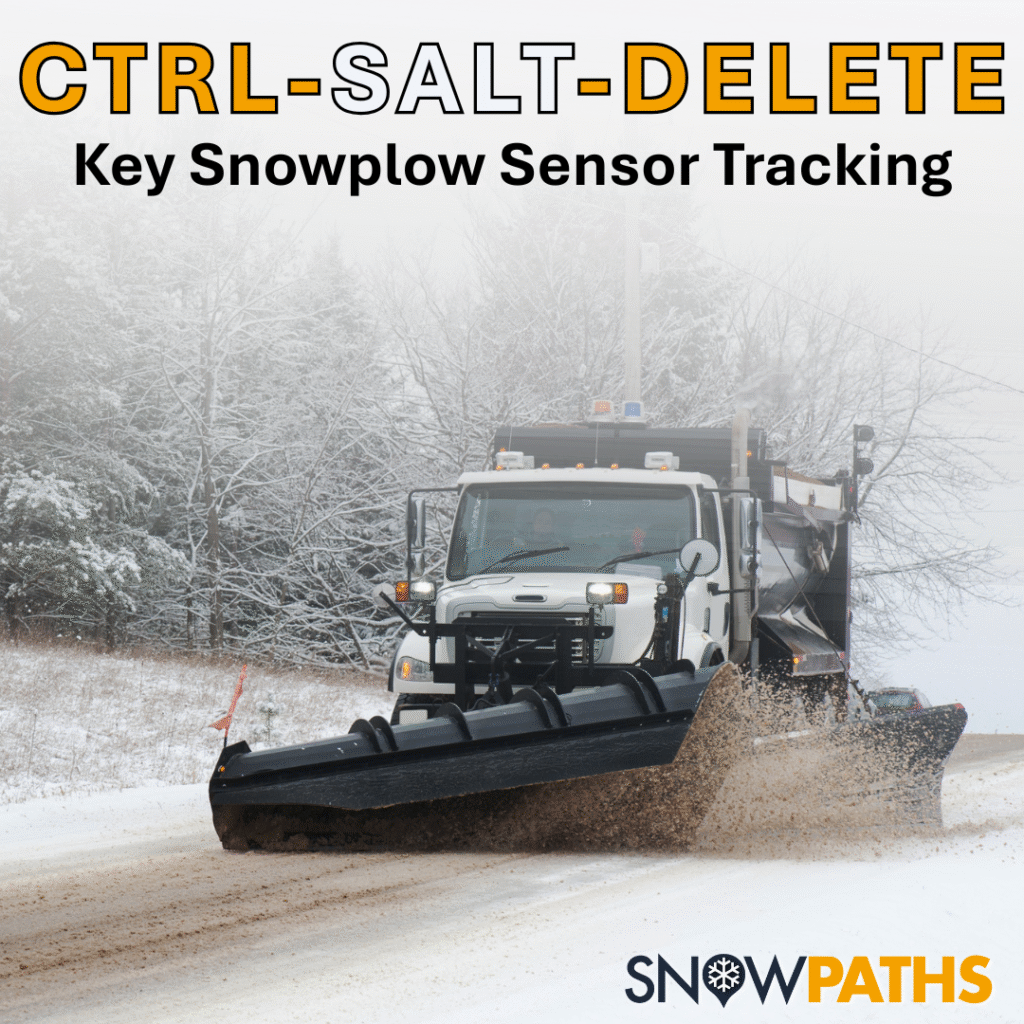
CTRL-SALT-DELETE: Key Snowplow Sensor Tracking

The winter season brings critical, demanding work for commercial snow removal fleets. It’s a race against the clock and the elements to keep roads, parking lots, and public areas safe while managing tight budgets and high client expectations. For fleet managers, maximizing operational efficiency (from optimizing routes to ensuring judicious use of expensive de-icing materials) is paramount. The difference between a smooth operation and a costly, inefficient one often comes down to visibility and data. Modern fleet management solutions, like FleetPaths and its specialized SnowPaths feature, leverage a suite of powerful sensors to turn your snowplows into mobile data centers, fundamentally revolutionizing your business operations and providing the critical metrics needed to master the winter environment. The Most Helpful Sensors Tracked on Snowplows Commercial snowplows today have the ability to install many different kinds of sensors with sophisticated technology that goes far beyond a simple GPS signal. These key sensors provide the granular data necessary for optimized winter operations: 1. Global Positioning System (GPS) This is the cornerstone of any modern fleet management system. 2. Plow Blade Position Sensors These sensors confirm the operational status of the plowing mechanism itself. 3. Material Spreader Rate Sensors (Spreader/Salter Controllers) These sensors are integrated directly with the equipment that disperses salt, sand, or brine. 4. Vehicle Health and Engine Diagnostics Sensors Standard telematics monitors the performance and well-being of the vehicle itself. How Sensor Data Revolutionizes Your Business The collected data from these sensors transforms a reactive, high-stress operation into a predictable, data-driven service with dramatic impacts on your bottom line and reputation. Cost Reduction and Operational Efficiency Enhanced Accountability and Customer Trust Risk Mitigation and Safety By integrating robust sensor technology into your commercial snowplow fleet, you move from simply plowing snow to executing a strategic, data-informed winter operations plan. This comprehensive data stream offers unprecedented transparency, allowing you to verify service delivery instantly and defend against disputes. More importantly, it provides the precise metrics needed to dramatically optimize resource allocation, ensuring you use the right amount of salt, minimize wasteful idling, and proactively manage maintenance needs. This shift is what sets truly modern, profitable, and reliable fleet management businesses apart, guaranteeing efficiency for your operation and safety for the communities you serve, regardless of what the next storm brings. Ready to see the difference data makes in your fleet? Explore the specialized features of SnowPaths by FleetPaths today by scheduling a demo.

CTRL-SALT-DELETE: Key Snowplow Sensor Tracking Read More »

Storm-Ready Strategies: Tools for Tough Winters

As the Midwest braces for what meteorologists predict will be an above-average snowfall season (especially in late winter months like February and March) the pressure is mounting for municipalities, contractors, and public works departments to prepare their fleets for the challenges ahead. In regions like Michigan, where snowstorms can disrupt daily life and stretch resources thin, the difference between a well-managed fleet and a chaotic response often comes down to one thing: technology. The Winter Operations Challenge Managing a snow fleet isn’t just about plowing roads. It’s about: Without a centralized system, these tasks can become overwhelming, especially during back-to-back storms or late-season snow surges. Empowering the Public Through Transparency One of the most impactful features of modern snow fleet platforms is the public facing portal, which brings a new level of transparency and engagement to winter operations. When citizens can access a live map showing which streets have been serviced, it dramatically reduces confusion and builds trust between the public and municipal services. Instead of fielding dozens of calls asking when a neighborhood will be plowed, municipalities can direct residents to a simple and intuitive dashboard that provides real time updates. This kind of visibility empowers residents to make informed decisions about their day. Whether they are planning a commute, deciding when to leave home, or checking on school bus routes, having access to accurate and timely information helps them stay safe and avoid unnecessary risks. It also fosters a sense of inclusion. Citizens feel like they are part of the process rather than left in the dark during major snow events. For municipalities, the benefits go beyond convenience. A public portal reduces the strain on call centers and administrative staff, freeing up resources to focus on actual operations. It also helps manage expectations during high demand periods, especially when storms are ongoing and crews are stretched thin. By showing progress and coverage areas, cities can communicate clearly and proactively rather than reactively responding to complaints. In addition, public facing tools can serve as a record of service, helping to validate that roads were treated and when. This can be especially useful in resolving disputes or clarifying service timelines. Ultimately, the portal becomes a bridge between operations and the community, enhancing transparency, improving safety, and reinforcing public confidence in the city’s ability to manage winter weather effectively. Accountability and Long-Term Planning Beyond day-to-day operations, fleet management software offers a powerful advantage through its ability to collect and store historical data. This data becomes a cornerstone for long-term planning and continuous improvement. Cities and contractors can use it to audit performance across multiple storms, identify patterns in resource usage, and evaluate the effectiveness of different strategies. For example, by analyzing how much salt was used during a specific storm and comparing it to road conditions and outcomes, teams can make more informed decisions about future applications. Historical data also plays a critical role in risk management and accountability. When property damage claims arise or questions about service coverage are raised, having detailed logs of driver activity, material deployment, and route completion provides a factual basis for response. This not only protects municipalities from liability but also builds trust with the public by demonstrating transparency and diligence. Moreover, this data can be used to train new staff, refine route planning, and even justify budget allocations. Over time, it helps fleet managers move from reactive decision-making to proactive, data-driven strategies that improve efficiency, reduce costs, and enhance public safety. In essence, fleet software turns every storm into a learning opportunity, helping teams evolve and adapt with each season. Why It Matters More This Year With La Niña conditions influencing atmospheric patterns this season, meteorologists are forecasting a colder and snowier winter across much of the Midwest. This shift is expected to intensify in the second half of the season, bringing heavier snowfall and prolonged storm activity well into late February and March. For fleet managers, this means the challenges of winter operations will not be limited to a few early flurries. They will be facing sustained, high-demand conditions that test the limits of equipment, personnel, and planning. In this kind of environment, relying on outdated methods or manual coordination can lead to costly delays, inefficient use of resources, and frustrated communities. The unpredictability of winter weather demands a system that can adapt in real time, provide clear oversight, and streamline communication across teams. That is where fleet management software becomes not just helpful but absolutely essential. A robust platform allows supervisors to respond faster, allocate resources more effectively, and maintain a clear picture of operations even during the most chaotic snow events. It also ensures that data from each storm is captured and analyzed, helping teams improve performance over time. As the Midwest prepares for what could be one of the more intense winters in recent years, investing in the right technology is not just a strategic move, it is a necessary one to keep roads safe, fleets efficient, and communities informed. A Smart Solution for Smart Cities While there are several platforms available, SnowPaths stands out for its tailored approach to winter operations. Designed specifically for snow fleets, it offers: Whether you’re a city planner, contractor, or fleet supervisor, SnowPaths can help you stay ahead of the storm and deliver safer, more efficient service to your community. Schedule a demo today before the first blizzard bears down on your city.

Storm-Ready Strategies: Tools for Tough Winters Read More »

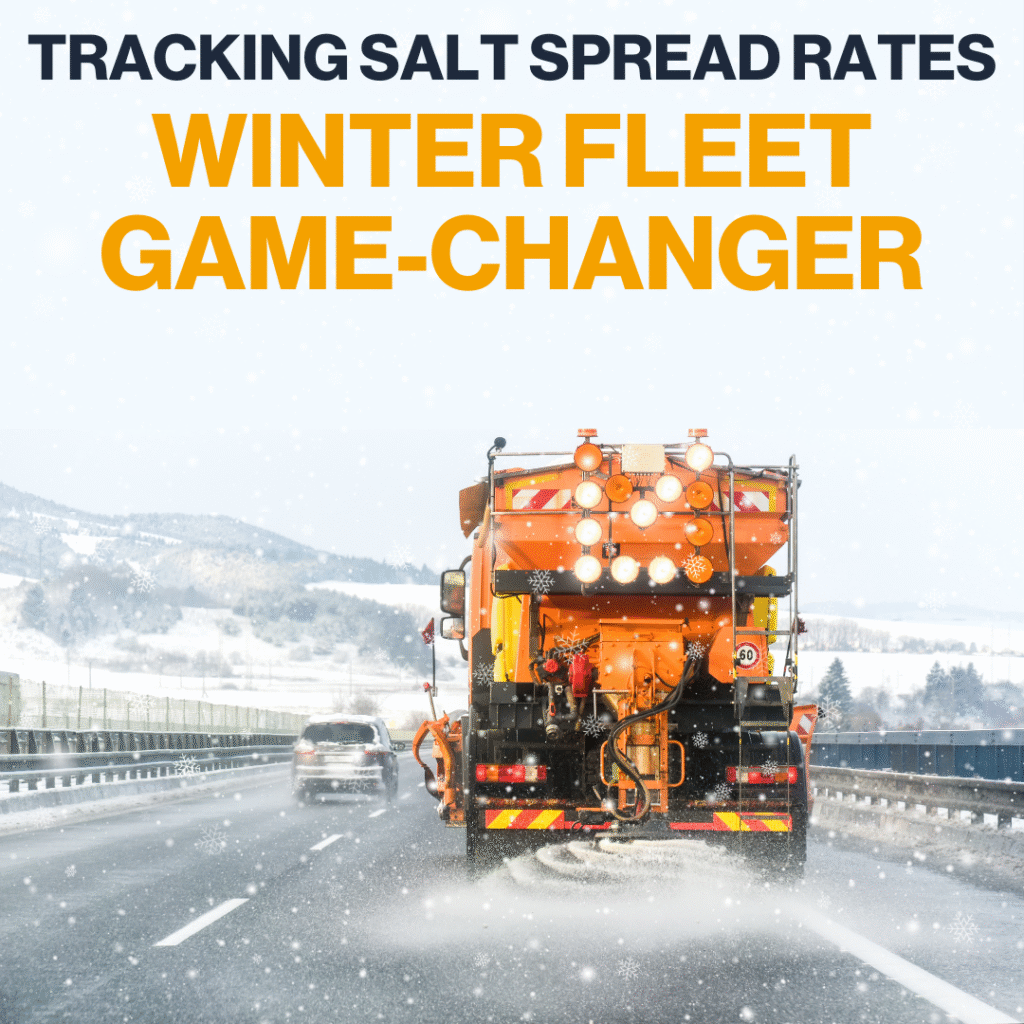
How Tracking Salt Spread Rates Is a Game-Changer

When snow and ice hit, knowing exactly how much deicing material you’re laying down can mean the difference between safe roads and costly overages. FleetPaths’ SnowPaths tracks every plow’s location, speed, and driver activity in real time, while our VISION module captures precise salt, sand, or brine spread rates. Together, they unlock insights that boost efficiency, accountability, and environmental stewardship. Key Benefits of Spread-Rate Tracking with VISION The Pain of Manual Tracking Before VISION and SnowPaths, crews depended on driver estimates, handwritten tally sheets, and after-the-fact reconciliations to gauge material usage. That approach yields inconsistent data and often hides over-application, since estimates replace hard numbers. Insights don’t arrive until hours or days after the storm ends, leaving no chance to adapt when conditions shift mid-event. The manual grind of paperwork and guesswork also slows down reporting and drives up costs through wasted materials and unplanned overtime. On-the-Fly Adaptation and Future Planning With live spread-rate feedback from VISION and SnowPaths’ real-time truck telemetry, supervisors can instantly adjust material rates as pavement temperatures, storm intensity, or priority zones change. This dynamic control ensures you never under- or over-apply salt, sand, or brine. Over the season, every recorded application and route metric feeds trend analyses that guide next year’s salt purchases, budget forecasts, and route optimizations. Armed with historical data, you’ll arrive at each winter fully prepared, knowing exactly how much material you need and where to deploy it most effectively. Investing in SnowPaths and VISION means every shift delivers precise, defensible salt-application records without the paperwork hassle. Ready to make your next winter season smarter, greener, and more cost-effective? Request a demo of SnowPaths and VISION by FleetPaths today and see spread-rate tracking in action.

How Tracking Salt Spread Rates Is a Game-Changer Read More »

Why Fleet Management Software Is No Longer Optional

Why Modern Fleet Management Matters Running a fleet today means juggling tighter schedules, rising fuel prices, stricter compliance, and higher public expectations. Without a unified system you end up reacting to problems instead of preventing them. Advanced fleet management software brings visibility, control, and data-driven decisions to every vehicle and crew so operations run safer, leaner, and more reliably. Real World Ways Fleet Software Helps From municipal public works to private contractors, fleet management platforms solve concrete daily problems. They give dispatchers a live view of vehicles and jobs so they can reassign work when delays happen. They replace paper forms with digital records that are validated, time stamped, and tied to specific trips or drivers. They track slow moving equipment and trailers so nothing goes missing. They optimize routes to cut drive time and fuel use. And during winter operations they monitor plow coverage and material application to reduce waste and keep roads safer. What Makes FleetPaths Stand Out FleetPaths is built to serve the full range of fleet types and the real tasks crews face in the field. It combines core capabilities into one platform so you do not stitch together separate tools. Tangible Benefits Your Team Will Notice Switching to FleetPaths produces faster, measurable wins. You get fewer resident calls about missed service, faster dispute resolution with proof of delivery, lower material and overtime costs through better monitoring, and improved asset longevity thanks to diagnostics and timely maintenance. Managers gain real time operational insight so they can make proactive decisions instead of reacting to problems after the fact. One Platform for Many Fleets Whether you run snow plows transit shuttles field service crews landscaping equipment or delivery vehicles, FleetPaths adapts to your workflows and keeps everything in one place. That unified approach reduces training friction and eliminates the errors and delays caused by re keying or switching between systems. If you want a safer more efficient and more accountable fleet, FleetPaths packages the tools you need into a single, practical solution. Request a demo to see how route planning tracking digital forms and winter operations work together to improve your day to day.

Why Fleet Management Software Is No Longer Optional Read More »

Upgrade Your Snow Plow Insights With VISION

What Is VISION? SnowPaths with VISION delivers a powerful addon service that connects directly to your salter spreader controller and brings real time visibility to every pass. You see exactly how much salt sand or brine is being applied and where it lands, turning your winter plan into a precise operation. By unlocking these data insights, you reduce material waste and drive down supply costs while keeping roads safer for drivers and pedestrians. VISION replaces guesswork with clear information and gives your team the confidence to tackle every storm with consistency. Precision Tracking and Application Data With VISION you gain exact spread rate monitoring across all surfaces, so you know the precise amount of material laid at any moment during a route. A color-coded application trail on your map highlights salt sand and brine in distinct shades so you can spot gaps or overlaps before they become issues. Live readings of total usage help you fine tune your approach and meet environmental guidelines without overapplying. Detailed reports capture every spread event and route history, empowering you to analyze performance trends and plan for future storms. Streamlined Operations and Accountability Managing timesheets and overtime shifts becomes seamless when route completion percentages and printable maps are at your fingertips. Office teams spend less time on paperwork and more time supporting field crews who stay focused on clearing roads and sidewalks. Precise vehicle location records protect drivers against false property damage claims by providing clear evidence of every movement. This level of accountability strengthens public trust and shields your workforce from unwarranted liability. Compatibility and Next Steps VISION works with the most popular spreader brands—Bosch Rexroth, Certified Power, Dickey John, and Force America—so you can retrofit existing fleets without replacing hardware. Setup is fast and integration is straightforward, which means you start gaining valuable insights right away. When you are ready to transform winter maintenance into a truly data driven operation, request a demo to see how VISION can upgrade your fleet’s efficiency and safety.

Upgrade Your Snow Plow Insights With VISION Read More »