Snow

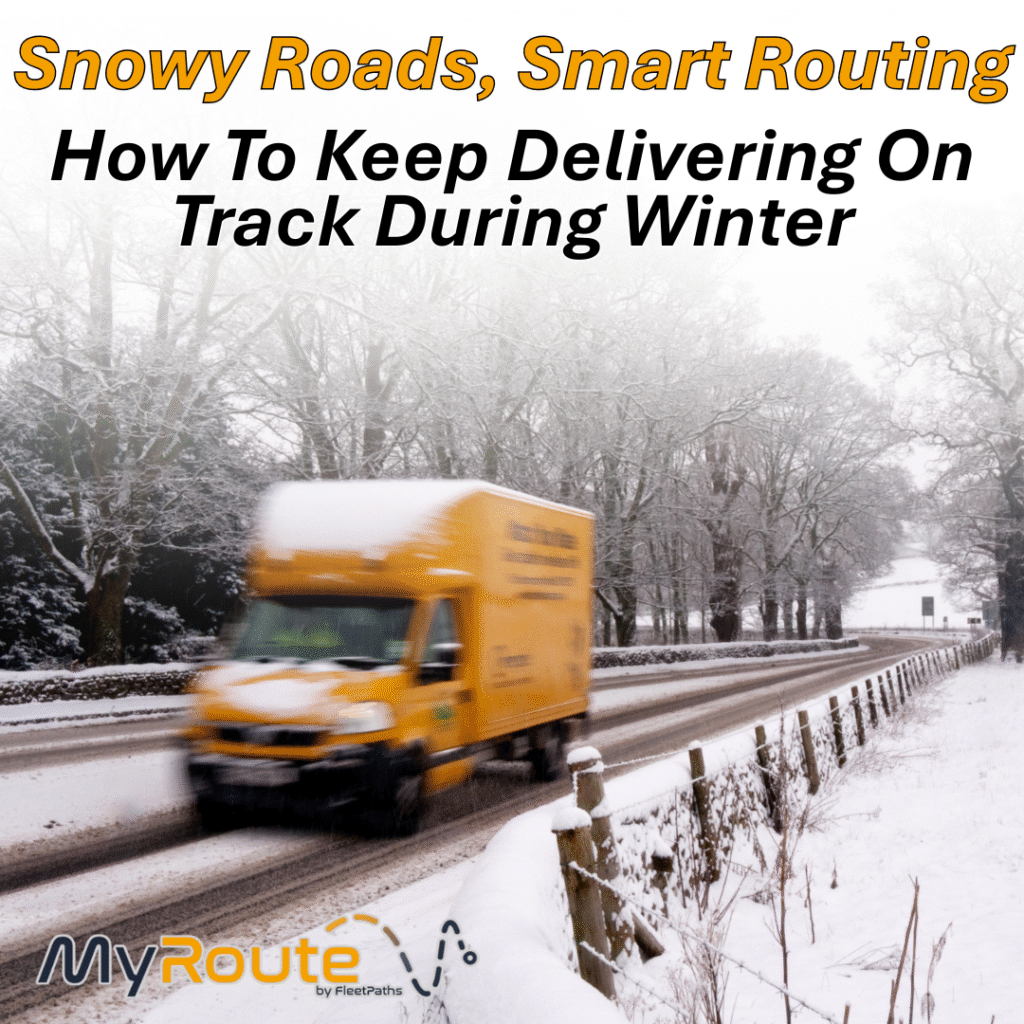
Snowy Roads, Smart Routing: How To Keep Delivering On Track During Winter

When winter sets in, logistics teams don’t just battle cold, they battle unpredictability. A clear morning can turn into whiteout conditions by mid‑afternoon. Plowed roads refreeze. Mountain passes close with little warning. Warehouses operate on skeleton crews during storms. These realities strain even well‑planned operations, reducing on‑time performance and eroding customer confidence. Data from early 2025’s winter events, for instance, showed double‑digit drops in last‑mile on‑time rates in several U.S. regions, with Kentucky’s on‑time delivery performance falling by more than 30% during a single storm—evidence of how quickly conditions can upend service levels. [project44.com] The good news: modern dispatching, scheduling, and transportation software provides a practical, non-hype playbook for staying agile. Think of it as your real‑time nervous system: connecting drivers, dispatchers, and customers with shared situational awareness and automated communication. Below, we’ll break down how these platforms help fleets keep deliveries and transport on track in the depths of winter, without turning this into a sales pitch. Why Winter Disruptions Demand Dynamic Operations Severe weather impacts every layer of the logistics stack. Snow and ice slow vehicles, close corridors, and limit visibility; freezing temperatures trigger equipment failures (from gelled diesel to battery issues), and staffing fluctuates as crews prioritize safety. Industry analyses consistently find that winter storms temporarily push up costs and degrade on‑time performance across both spot and contract truckload markets; effects that can be observed even in resilient networks. Academic and industry reviews echo the same theme: extreme weather (including snowfall and freezing rain) reduces transport efficiency and increases operational costs, underscoring the need for data‑driven mitigation strategies and real‑time agility. In practice, that means replacing static schedules and spreadsheets with software that adapts with the storm: rerouting, re‑sequencing, and communicating changes as conditions evolve. Core Capabilities That Matter Most in Winter 1) Live Fleet Visibility & Condition‑Aware Routing You can’t manage what you can’t see. A dispatch platform with live location and driver status gives dispatchers immediate clarity on who’s moving, who’s delayed, and which assets are at risk so they can reroute around closures, reassign stops, or dispatch replacements without waiting for manual check‑ins. Real‑time visibility paired with dynamic routing shrinks the gap between “storm hits” and “plan adjusts,” helping mitigate cascading delays documented in recent winter events. [project44.com] Software built for dispatching typically includes stop‑by‑stop updates and route progress monitoring to support these decisions. That visibility makes it easier to prioritize high‑need destinations and reduce backtracking; an approach widely recommended in winter operations guidance and route optimization literature. 2) ETA Accuracy, Email & SMS Messaging When conditions deteriorate, expectations (not just routes) must be updated. Software that pushes automated ETA updates via email and SMS keeps riders and delivery recipients informed, reducing uncertainty and inbound “Where’s my delivery?” calls. Notification tools that surface vehicle location, estimated arrival times, and service alerts are proven to cut call volumes and improve confidence, especially valuable on snow days when dispatch lines are overwhelmed. Communicating proactively matters because storms can drop on‑time performance quickly and for days. Sending ETA changes and delay notices through synchronous channels (SMS) and asynchronous channels (email) helps set expectations and maintain trust even when conditions are outside your control. 3) Centralized Scheduling & Drag‑and‑Drop Replanning Winter forces frequent schedule edits: late starts, consolidated routes, added buffers, or switched drivers when equipment needs maintenance. A centralized scheduling interface that supports drag‑and‑drop adjustments accelerates decision‑making, lowers the risk of clerical errors, and ensures everyone is working off the same plan. This is especially helpful when storms cause temporary rate spikes and tightening capacity; shippers benefit from faster internal replans to avoid cascading service failures. 4) Digital Proof‑of‑Delivery & Service Verification In winter, documentation is your ally. Electronic stop confirmations with timestamps validate completion despite detours or modified routes, streamline billing, and provide a defensible record if customers or agencies need verification. Eliminating paper reduces friction in storm conditions (wet documents, delayed handoffs) and supports accountability emphasized in weather disruption research. 5) Public Transparency Tools for Rider & Resident Engagement Municipal and shuttle operations see strong benefits from public portals that display status, priority levels, and recent service times (e.g., “last plowed within X hours”). These portals lower call volume, show progress during ongoing events, and give constituents actionable clarity when crews stage operations across large networks. For transportation services, rider‑facing portals with live bus locations and accurate ETAs directly reduce missed connections and complaints; critical during winter when delays are more likely. Practical Winter Playbook: Process + Platform A. Plan for Scenarios, Not Perfection Use your software to create “storm mode” playbooks: revised route templates for varying severity, regional detours, and prioritized customers (healthcare, food distribution, critical manufacturing). Industry examples show that condition‑aware routing and priority sequencing reduce wasted miles and idle time while improving service coverage during snow events. B. Build Communication Cadence Automate pre‑trip notifications, ETA updates, and delay advisories via email & SMS. Then pin a public portal link into those messages so recipients can self‑serve for live status. Doing so not only aligns expectations but reduces inbound support calls documented across rider‑transport use cases. C. Add Buffers Where It Matters After analyzing winter performance (spot and contract), many shippers add time buffers to sequences most exposed to weather risk. Market updates repeatedly show temporary performance degradations and cost impacts in January storms; buffers smooth recovery and prevent schedule collapse. D. Instrument Your Proof & Reporting Turn on digital proof‑of‑delivery and service logs. In the aftermath of storms, stakeholders want clarity: What was completed? What was delayed? Who got notified and when? Digital records fulfill audit needs and help teams learn from each event. E. Review & Iterate Using Post‑Storm Data Winter resilience is iterative. Pair your route history with market insights and scholarly guidance on weather disruptions to refine thresholds for re‑routing, driver reassignment, and message timing. Structured reviews, supported by your platform’s trip data, help you adapt to increasingly frequent extreme weather. The Human Impact: Less Chaos, More Clarity Software doesn’t drive the truck or plow the street, but

Snowy Roads, Smart Routing: How To Keep Delivering On Track During Winter Read More »

Snow-Proof Your Transit: How to Give Your Riders Cold-Weather Confidence

Winter months can be some of the toughest for transportation fleets. Snow, ice, and freezing temperatures create unpredictable conditions that disrupt schedules, increase safety risks, and strain communication between riders and operators. For transit agencies, maintaining reliability during these challenges isn’t just about keeping vehicles on the road, it’s about keeping riders informed and confident. That’s why having a robust transit management software is essential. Solutions like FleetPaths Transit help fleets navigate winter weather with real-time updates, proactive alerts, and data-driven insights, ensuring smooth operations even when conditions are anything but. Keeping Riders Informed When winter weather hits, riders need accurate, timely information to make safe travel decisions. A good transit software provides real-time bus and shuttle locations, estimated arrival times, and weather-related alerts directly to riders’ devices. This transparency ensures passengers can plan their trips with confidence, even when snow and ice threaten to disrupt schedules. By keeping riders informed, agencies reduce frustration and build trust during the most challenging months of the year. Streamlining Communication Snowstorms and icy roads often lead to route changes, delays, or temporary service suspensions, which can overwhelm dispatch teams with inquiries. Transit software solves this problem by enabling custom alerts that notify riders of changes instantly. Instead of fielding countless phone calls, your team can focus on maintaining safe operations while riders receive accurate updates through a public-facing portal. This streamlined communication not only improves efficiency but also enhances the rider experience by reducing uncertainty and confusion. FleetPaths Transit offers these features and more to help agencies stay ahead of winter disruptions. Building Confidence When conditions are harsh, clear communication becomes a lifeline. Transit software provides interactive maps and consistent updates that reassure riders their transit system is reliable, even in adverse weather. This transparency fosters confidence and loyalty, positioning your fleet as a dependable partner in the community. By proactively sharing information, agencies demonstrate a commitment to safety and service, which strengthens their reputation and encourages continued ridership throughout the winter season. Enhancing Safety and Performance Winter delays are inevitable, but they don’t have to derail your entire operation. Transit software equips your team with real-time tracking tools that allow for strategic adjustments to keep schedules as tight as possible. Riders benefit from timely notifications that help them avoid missed connections, while staff gains visibility into problem areas and can respond quickly. Beyond efficiency, these systems promote safer travel by giving riders the information they need to make informed decisions about when and where to travel during hazardous conditions. Planning for the Future Every alert, delay, and rider interaction during the winter months generates valuable data. Transit software captures these insights, enabling agencies to analyze performance and identify patterns that inform future planning. By understanding which routes are most vulnerable and how riders respond to disruptions, you can refine strategies and allocate resources more effectively. This data-driven approach ensures continuous improvement and positions your fleet to handle winter challenges with confidence year after year. Stay ahead of winter challenges with FleetPaths Transit. From real-time updates to proactive communication and data-backed planning, this platform keeps your fleet efficient, your riders informed, and your operations resilient. Ready to see how FleetPaths Transit can transform your winter operations? Request a demo today and experience the difference.

Snow-Proof Your Transit: How to Give Your Riders Cold-Weather Confidence Read More »

Winterizing Your Fleet: Best Practices for a Seamless Transition

As warmer weather fades once again and winter approaches, fleet managers face one of the most demanding operational shifts of the year: preparing for snow removal after months of warm-weather services like landscaping, street sweeping, and construction support. This transition is more than swapping out equipment. It requires strategic planning, precise scheduling, and proactive maintenance to ensure fleets are ready for the first snowfall. Without a clear roadmap, organizations risk costly delays, equipment failures, and service disruptions that can impact both budgets and public safety. Why Seasonal Transition Planning Is Critical The shift from summer to winter operations involves a complete reallocation of resources. Mowers, sweepers, and other summer assets must be cleaned, inspected, and stored properly to prevent long-term damage. At the same time, snowplows, salt spreaders, and other winter equipment need to be brought out of storage, serviced, and tested for reliability. A well-executed transition plan ensures that every asset is accounted for, every crew member is prepared, and every material is stocked before winter weather hits. Challenges Fleet Managers Face Timing is one of the biggest challenges during this seasonal shift. The first snowstorm rarely waits for perfect preparation, and unexpected early weather can catch fleets off guard. Maintenance teams must work quickly to winterize summer equipment while simultaneously inspecting and repairing snow gear. Crew scheduling adds another layer of complexity, as operators often need refresher training for snow operations after months of performing different tasks. Material management is equally critical because fertilizers and landscaping supplies give way to salt, sand, and de-icing chemicals, requiring careful inventory planning to avoid shortages during peak demand. Here are the three most common pain points: How FleetPaths Makes It Easier FleetPaths provides a centralized platform that simplifies these transitions through automation and data-driven insights. Dynamic workflows allow managers to switch from summer task templates to winter operations with just a few clicks, ensuring that routing and job assignments are instantly updated. Preventive maintenance scheduling powered by telematics data helps identify which assets need attention before deployment, reducing the risk of breakdowns during critical snow events. Inventory tracking tools monitor salt and de-icing material levels in real time, sending alerts when supplies run low. Combined with GIS-based routing, FleetPaths ensures that snowplows follow the most efficient paths, saving time and fuel while improving response times during storms. Best Practices for a Smooth Transition To make the seasonal shift successful, fleet managers should: The Bottom Line Seasonal transitions are inevitable, but they do not have to be stressful. With FleetPaths’ integrated tools, fleet managers can turn a complex, time-sensitive process into a streamlined, predictable workflow. By leveraging automation, real-time data, and smart planning, organizations can reduce costs, improve efficiency, and deliver reliable service throughout the winter months. Ready to make your seasonal transition seamless? Contact us today to learn how FleetPaths can help you prepare for winter with confidence.

Winterizing Your Fleet: Best Practices for a Seamless Transition Read More »

How Public Portals Build Community Trust

Road safety is likely a top priority year-round in your communities, but winter weather will emphasize the importance of the systems you have in place. Residents want to know which streets are clear, where crews are working, and what conditions they can expect before heading out. Unfortunately, this information is often scattered across social media posts or buried in news updates. A public snow operations portal changes that by providing a single, reliable source for real-time updates. The Case for Accessibility and Ease of Use A portal should be simple and intuitive. Residents should be able to check road conditions quickly without navigating through complicated menus. Whether they are at home on a computer or checking their phone before leaving work, the experience should be seamless. Accessibility ensures that everyone, from daily commuters to emergency responders, has the information they need when they need it. Safety Starts with Information Clear roads save lives, but so does clear communication. When drivers know which routes are plowed and which are still being serviced, they can make safer decisions. A portal reduces guesswork and helps prevent accidents caused by icy or untreated roads. It also encourages residents to avoid unnecessary travel during severe conditions, which keeps everyone safer. Building Trust Through Transparency Transparency is one of the biggest benefits of a public portal. Residents can see the progress of snow removal efforts and understand the priorities behind the work. This visibility builds trust and reduces frustration. Instead of wondering when their street will be cleared, they can check the portal and get accurate updates anytime. It turns winter operations from a mystery into a shared effort. Key Features of a Good Portal How It Improves Community Engagement A public portal does more than share data—it strengthens the relationship between the community and local government. When people feel informed, they feel valued. They are more likely to cooperate with snow emergency rules and less likely to flood city offices with calls. This creates a smoother operation for everyone involved. A Commitment to Safety and Service Providing a public snow operations portal is not just a technology upgrade. It is a statement that your community values safety, transparency, and trust. It gives residents confidence during winter storms and helps keep roads safer for everyone. Ready to Take the Next Step? FleetPaths offers integrated public portals designed specifically for snow operations. These portals provide real-time updates, interactive maps, and mobile-friendly access so your community can stay informed and safe all winter long. By implementing FleetPaths, you are not just improving operations—you are building trust and delivering peace of mind to every resident. Learn more about FleetPaths public portals and start transforming your winter operations today.

How Public Portals Build Community Trust Read More »

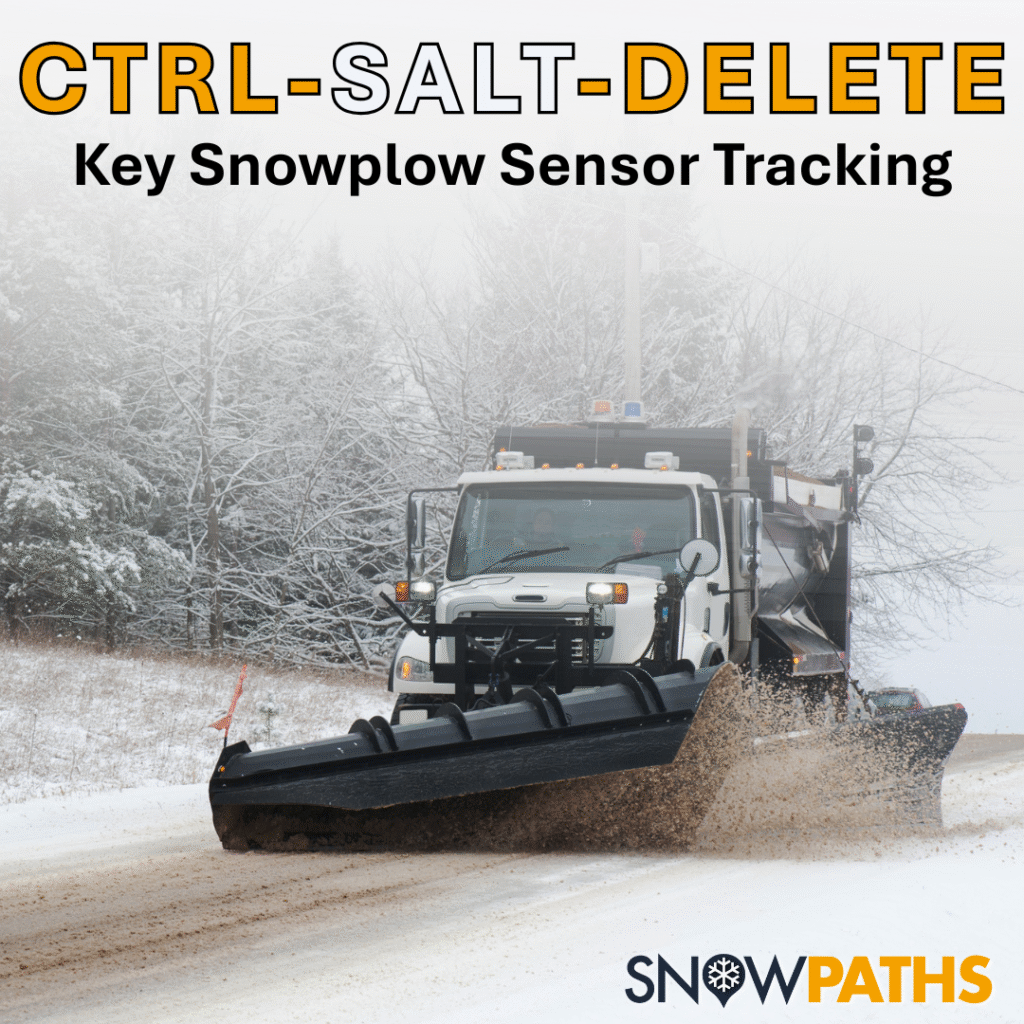
CTRL-SALT-DELETE: Key Snowplow Sensor Tracking

The winter season brings critical, demanding work for commercial snow removal fleets. It’s a race against the clock and the elements to keep roads, parking lots, and public areas safe while managing tight budgets and high client expectations. For fleet managers, maximizing operational efficiency (from optimizing routes to ensuring judicious use of expensive de-icing materials) is paramount. The difference between a smooth operation and a costly, inefficient one often comes down to visibility and data. Modern fleet management solutions, like FleetPaths and its specialized SnowPaths feature, leverage a suite of powerful sensors to turn your snowplows into mobile data centers, fundamentally revolutionizing your business operations and providing the critical metrics needed to master the winter environment. The Most Helpful Sensors Tracked on Snowplows Commercial snowplows today have the ability to install many different kinds of sensors with sophisticated technology that goes far beyond a simple GPS signal. These key sensors provide the granular data necessary for optimized winter operations: 1. Global Positioning System (GPS) This is the cornerstone of any modern fleet management system. 2. Plow Blade Position Sensors These sensors confirm the operational status of the plowing mechanism itself. 3. Material Spreader Rate Sensors (Spreader/Salter Controllers) These sensors are integrated directly with the equipment that disperses salt, sand, or brine. 4. Vehicle Health and Engine Diagnostics Sensors Standard telematics monitors the performance and well-being of the vehicle itself. How Sensor Data Revolutionizes Your Business The collected data from these sensors transforms a reactive, high-stress operation into a predictable, data-driven service with dramatic impacts on your bottom line and reputation. Cost Reduction and Operational Efficiency Enhanced Accountability and Customer Trust Risk Mitigation and Safety By integrating robust sensor technology into your commercial snowplow fleet, you move from simply plowing snow to executing a strategic, data-informed winter operations plan. This comprehensive data stream offers unprecedented transparency, allowing you to verify service delivery instantly and defend against disputes. More importantly, it provides the precise metrics needed to dramatically optimize resource allocation, ensuring you use the right amount of salt, minimize wasteful idling, and proactively manage maintenance needs. This shift is what sets truly modern, profitable, and reliable fleet management businesses apart, guaranteeing efficiency for your operation and safety for the communities you serve, regardless of what the next storm brings. Ready to see the difference data makes in your fleet? Explore the specialized features of SnowPaths by FleetPaths today by scheduling a demo.

CTRL-SALT-DELETE: Key Snowplow Sensor Tracking Read More »

Total Control Over Street Operations, All Year Long: StreetPaths by FleetPaths

Managing street operations is no small task. Whether you’re coordinating pavement repairs, dispatching sanitation crews, or overseeing snow removal, you need more than just visibility. You need precision, accountability, and real-time control, and that’s exactly what StreetPaths by FleetPaths delivers. StreetPaths is a comprehensive fleet tracking and job completion monitoring platform designed to meet the unique demands of Government and Commercial industries. From spring pothole repairs to winter snow plowing, StreetPaths keeps your operations running smoothly season after season. Built for Every Industry, Every Season StreetPaths supports a wide range of field service operations, including: Industry Capabilities Construction Job site coordination, fleet tracking, progress monitoring Landscaping Equipment tracking, multi-site job completion Street Sweepers Route monitoring, driver performance, up/down status Pavement Repair Activity tracking, repair progress Sanitation & Recycling Route optimization, proof of service Snow Plow Contractors Real-time snow removal tracking Delivery Services Vehicle performance, delivery verification Trades & Technicians Dispatch coordination, service tracking All-Season Operations Made Simple Whether it’s spring, summer, fall, or winter, StreetPaths adapts to your needs: Spring–Fall Highlights: Winter Power Tools: Unlock More with VISION Take your winter operations to the next level with VISION, the powerful add-on for StreetPaths. VISION connects directly to your salter spreader controller, giving you an in-depth view into the Color-Coded Application Trails and unparalleled visibility of the Precise Material Spread Rate. Additionally, you can take advantage of a suite of Printable Detailed Spreader Reports. The VISION units are Compatibile with Bosch Rexroth, Certified Power, Dickey-John, and Force America spreaders. Driver Protection & Operational Efficiency StreetPaths doesn’t just improve logistics, it protects your team and streamlines your workflow: Ready to Transform Your Street Operations? StreetPaths is the ultimate solution for real-time fleet tracking and job monitoring. With robust features, seasonal adaptability, and unmatched visibility, it’s the tool your team needs to stay efficient, accountable, and ahead of the curve. Request a demo today and experience how StreetPaths by FleetPaths can revolutionize your operations.

Total Control Over Street Operations, All Year Long: StreetPaths by FleetPaths Read More »