Snowstorm

Winterizing Your Fleet: Best Practices for a Seamless Transition

As warmer weather fades once again and winter approaches, fleet managers face one of the most demanding operational shifts of the year: preparing for snow removal after months of warm-weather services like landscaping, street sweeping, and construction support. This transition is more than swapping out equipment. It requires strategic planning, precise scheduling, and proactive maintenance to ensure fleets are ready for the first snowfall. Without a clear roadmap, organizations risk costly delays, equipment failures, and service disruptions that can impact both budgets and public safety. Why Seasonal Transition Planning Is Critical The shift from summer to winter operations involves a complete reallocation of resources. Mowers, sweepers, and other summer assets must be cleaned, inspected, and stored properly to prevent long-term damage. At the same time, snowplows, salt spreaders, and other winter equipment need to be brought out of storage, serviced, and tested for reliability. A well-executed transition plan ensures that every asset is accounted for, every crew member is prepared, and every material is stocked before winter weather hits. Challenges Fleet Managers Face Timing is one of the biggest challenges during this seasonal shift. The first snowstorm rarely waits for perfect preparation, and unexpected early weather can catch fleets off guard. Maintenance teams must work quickly to winterize summer equipment while simultaneously inspecting and repairing snow gear. Crew scheduling adds another layer of complexity, as operators often need refresher training for snow operations after months of performing different tasks. Material management is equally critical because fertilizers and landscaping supplies give way to salt, sand, and de-icing chemicals, requiring careful inventory planning to avoid shortages during peak demand. Here are the three most common pain points: How FleetPaths Makes It Easier FleetPaths provides a centralized platform that simplifies these transitions through automation and data-driven insights. Dynamic workflows allow managers to switch from summer task templates to winter operations with just a few clicks, ensuring that routing and job assignments are instantly updated. Preventive maintenance scheduling powered by telematics data helps identify which assets need attention before deployment, reducing the risk of breakdowns during critical snow events. Inventory tracking tools monitor salt and de-icing material levels in real time, sending alerts when supplies run low. Combined with GIS-based routing, FleetPaths ensures that snowplows follow the most efficient paths, saving time and fuel while improving response times during storms. Best Practices for a Smooth Transition To make the seasonal shift successful, fleet managers should: The Bottom Line Seasonal transitions are inevitable, but they do not have to be stressful. With FleetPaths’ integrated tools, fleet managers can turn a complex, time-sensitive process into a streamlined, predictable workflow. By leveraging automation, real-time data, and smart planning, organizations can reduce costs, improve efficiency, and deliver reliable service throughout the winter months. Ready to make your seasonal transition seamless? Contact us today to learn how FleetPaths can help you prepare for winter with confidence.

Winterizing Your Fleet: Best Practices for a Seamless Transition Read More »

How Public Portals Build Community Trust

Road safety is likely a top priority year-round in your communities, but winter weather will emphasize the importance of the systems you have in place. Residents want to know which streets are clear, where crews are working, and what conditions they can expect before heading out. Unfortunately, this information is often scattered across social media posts or buried in news updates. A public snow operations portal changes that by providing a single, reliable source for real-time updates. The Case for Accessibility and Ease of Use A portal should be simple and intuitive. Residents should be able to check road conditions quickly without navigating through complicated menus. Whether they are at home on a computer or checking their phone before leaving work, the experience should be seamless. Accessibility ensures that everyone, from daily commuters to emergency responders, has the information they need when they need it. Safety Starts with Information Clear roads save lives, but so does clear communication. When drivers know which routes are plowed and which are still being serviced, they can make safer decisions. A portal reduces guesswork and helps prevent accidents caused by icy or untreated roads. It also encourages residents to avoid unnecessary travel during severe conditions, which keeps everyone safer. Building Trust Through Transparency Transparency is one of the biggest benefits of a public portal. Residents can see the progress of snow removal efforts and understand the priorities behind the work. This visibility builds trust and reduces frustration. Instead of wondering when their street will be cleared, they can check the portal and get accurate updates anytime. It turns winter operations from a mystery into a shared effort. Key Features of a Good Portal How It Improves Community Engagement A public portal does more than share data—it strengthens the relationship between the community and local government. When people feel informed, they feel valued. They are more likely to cooperate with snow emergency rules and less likely to flood city offices with calls. This creates a smoother operation for everyone involved. A Commitment to Safety and Service Providing a public snow operations portal is not just a technology upgrade. It is a statement that your community values safety, transparency, and trust. It gives residents confidence during winter storms and helps keep roads safer for everyone. Ready to Take the Next Step? FleetPaths offers integrated public portals designed specifically for snow operations. These portals provide real-time updates, interactive maps, and mobile-friendly access so your community can stay informed and safe all winter long. By implementing FleetPaths, you are not just improving operations—you are building trust and delivering peace of mind to every resident. Learn more about FleetPaths public portals and start transforming your winter operations today.

How Public Portals Build Community Trust Read More »

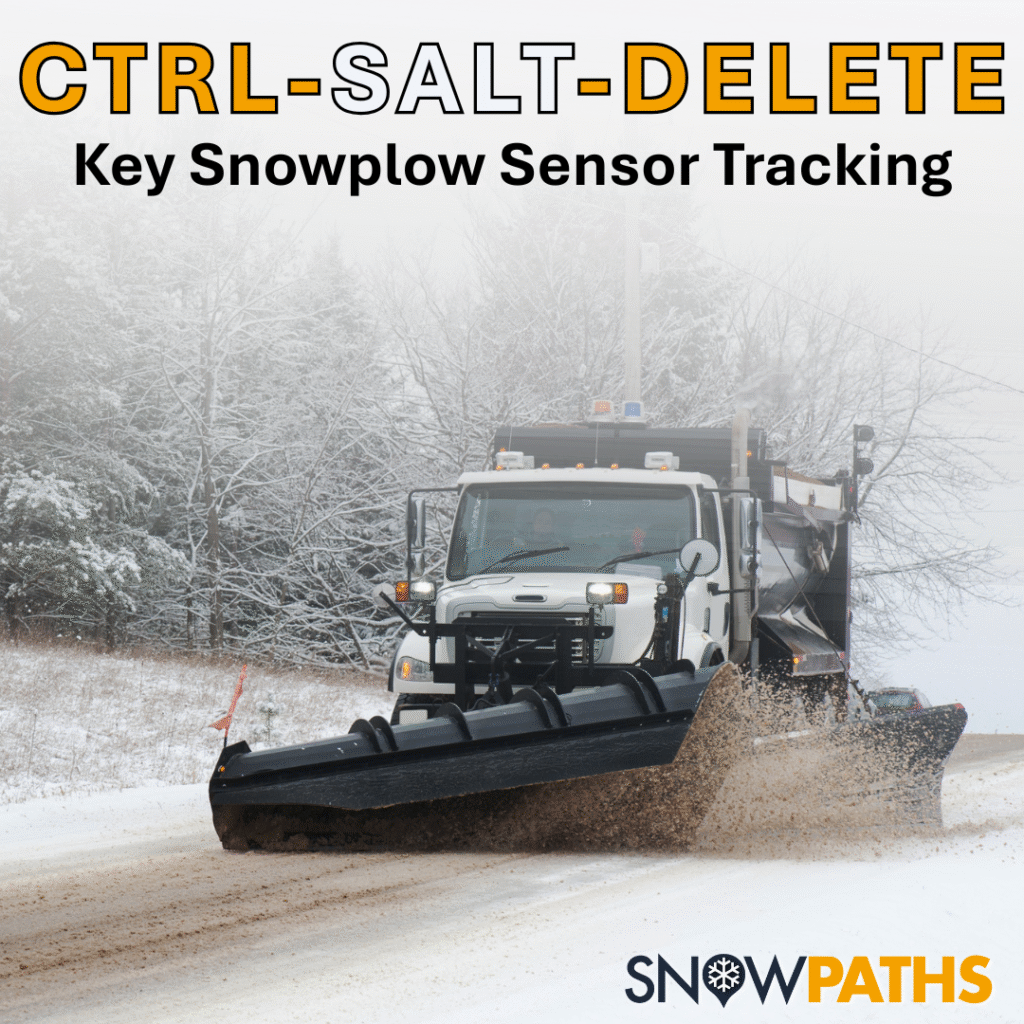
CTRL-SALT-DELETE: Key Snowplow Sensor Tracking

The winter season brings critical, demanding work for commercial snow removal fleets. It’s a race against the clock and the elements to keep roads, parking lots, and public areas safe while managing tight budgets and high client expectations. For fleet managers, maximizing operational efficiency (from optimizing routes to ensuring judicious use of expensive de-icing materials) is paramount. The difference between a smooth operation and a costly, inefficient one often comes down to visibility and data. Modern fleet management solutions, like FleetPaths and its specialized SnowPaths feature, leverage a suite of powerful sensors to turn your snowplows into mobile data centers, fundamentally revolutionizing your business operations and providing the critical metrics needed to master the winter environment. The Most Helpful Sensors Tracked on Snowplows Commercial snowplows today have the ability to install many different kinds of sensors with sophisticated technology that goes far beyond a simple GPS signal. These key sensors provide the granular data necessary for optimized winter operations: 1. Global Positioning System (GPS) This is the cornerstone of any modern fleet management system. 2. Plow Blade Position Sensors These sensors confirm the operational status of the plowing mechanism itself. 3. Material Spreader Rate Sensors (Spreader/Salter Controllers) These sensors are integrated directly with the equipment that disperses salt, sand, or brine. 4. Vehicle Health and Engine Diagnostics Sensors Standard telematics monitors the performance and well-being of the vehicle itself. How Sensor Data Revolutionizes Your Business The collected data from these sensors transforms a reactive, high-stress operation into a predictable, data-driven service with dramatic impacts on your bottom line and reputation. Cost Reduction and Operational Efficiency Enhanced Accountability and Customer Trust Risk Mitigation and Safety By integrating robust sensor technology into your commercial snowplow fleet, you move from simply plowing snow to executing a strategic, data-informed winter operations plan. This comprehensive data stream offers unprecedented transparency, allowing you to verify service delivery instantly and defend against disputes. More importantly, it provides the precise metrics needed to dramatically optimize resource allocation, ensuring you use the right amount of salt, minimize wasteful idling, and proactively manage maintenance needs. This shift is what sets truly modern, profitable, and reliable fleet management businesses apart, guaranteeing efficiency for your operation and safety for the communities you serve, regardless of what the next storm brings. Ready to see the difference data makes in your fleet? Explore the specialized features of SnowPaths by FleetPaths today by scheduling a demo.

CTRL-SALT-DELETE: Key Snowplow Sensor Tracking Read More »