

Fleet tracking has reached a point where simply knowing vehicle location is no longer enough. Most systems today can display real time movement, but that alone does not provide meaningful...
The Growing Challenge of False Claims Public agencies today face increasing pressure to respond quickly and accurately to complaints, liability claims, and service disputes. Whether it’s a missed garbage pickup,...
- All
- General
- Software Spotlight
- Summer Operations
- Transit & Transportation
- Winter Operations
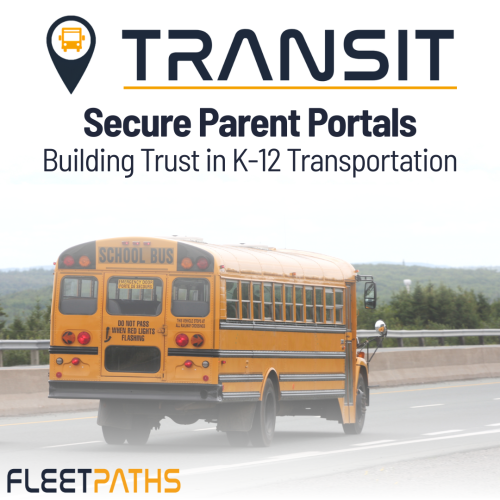
The Importance of Privacy in School Transportation As school transportation systems become more connected and data driven, protecting student information...
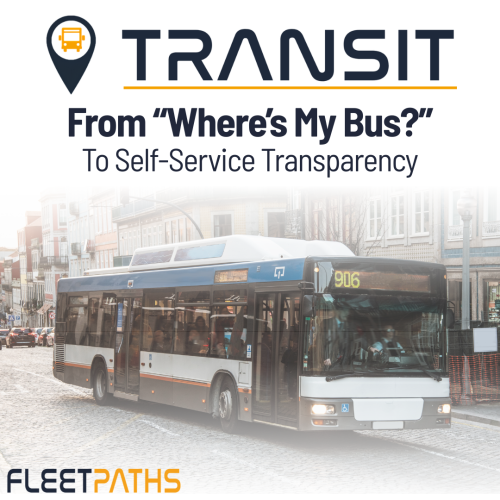
The Cost of Not Knowing For transit agencies, few questions are more common or more frustrating than “Where’s my bus?”...
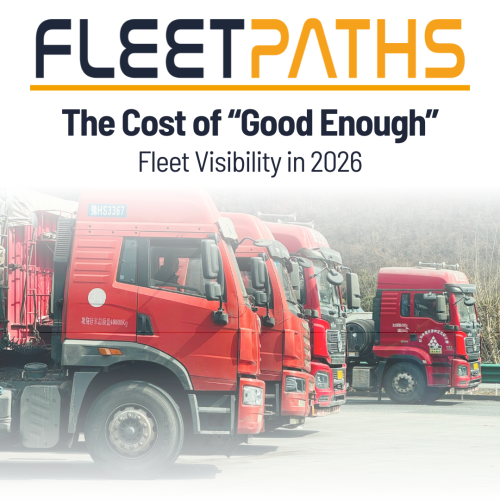
Fleet visibility has come a long way in the past decade. GPS tracking is no longer new, and many organizations...
When people think about fleet tracking, vehicles usually take center stage. Trucks, vans, and buses are easy to visualize moving...
At first glance, public sector fleets and private sector fleets appear to operate in very different worlds. One serves residents...
For years, fleet managers have relied on familiar metrics (speed, mileage, idle time, and fuel consumption) to evaluate performance. These...
- All
- General
- Software Spotlight
- Summer Operations
- Transit & Transportation
- Winter Operations
When winter finally loosens its grip on northern municipalities, public works departments face a familiar challenge: shifting from months of snow and ice management to the demanding work of spring street cleanup. The transition isn’t just a matter of swapping plows for sweepers. It requires a coordinated, data-informed operational shift that ensures roads are cleared, debris is removed, and residents...
Public agencies operate under constant pressure to document work accurately, meet regulatory requirements, and maintain clear records for audits, inspections, and public inquiries. For many departments, field documentation has traditionally been handled through handwritten forms, verbal updates, and scattered spreadsheets. These methods create gaps in accountability and leave agencies vulnerable to errors, missing information, and compliance risks. Digital field documentation...
Modern fleet management is built on real time visibility, accurate data, and seamless communication between teams in the field and leadership at the office. Yet many municipalities and service organizations still operate with legacy fleets that rely on outdated processes and limited visibility. Introducing telematics into these fleets can feel like a major undertaking, especially when older vehicles, limited digital...
In today’s world residents expect fast, accurate information at their fingertips. Whether they are waiting for a bus or trying to plan around city services, the easier it is for them to find what they need, the happier they are. That’s where a public portal becomes a powerful tool. A well built public portal does more than share data. It...
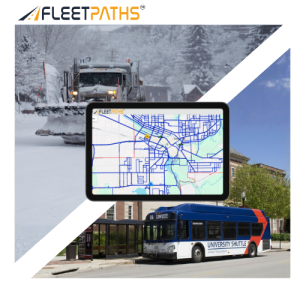
As we move into the heart of the 2026 winter season, municipal and campus leaders are facing a familiar pressure: doing more with less. Whether you’re managing a city’s snow response or a university’s transit safety, the challenge isn’t just about having data—it’s about having a connected operations ecosystem. At FleetPaths, we’ve spent the last year evolving our suite of...
When residents want to know “When will my street be plowed” or “Has my road been swept” or “Where is my bus” they reach for the phone. For public works departments and municipal fleets, those calls quickly turn into hundreds or sometimes thousands of inquiries during peak seasons. But here is the good news. Modern fleet visibility tools can eliminate...